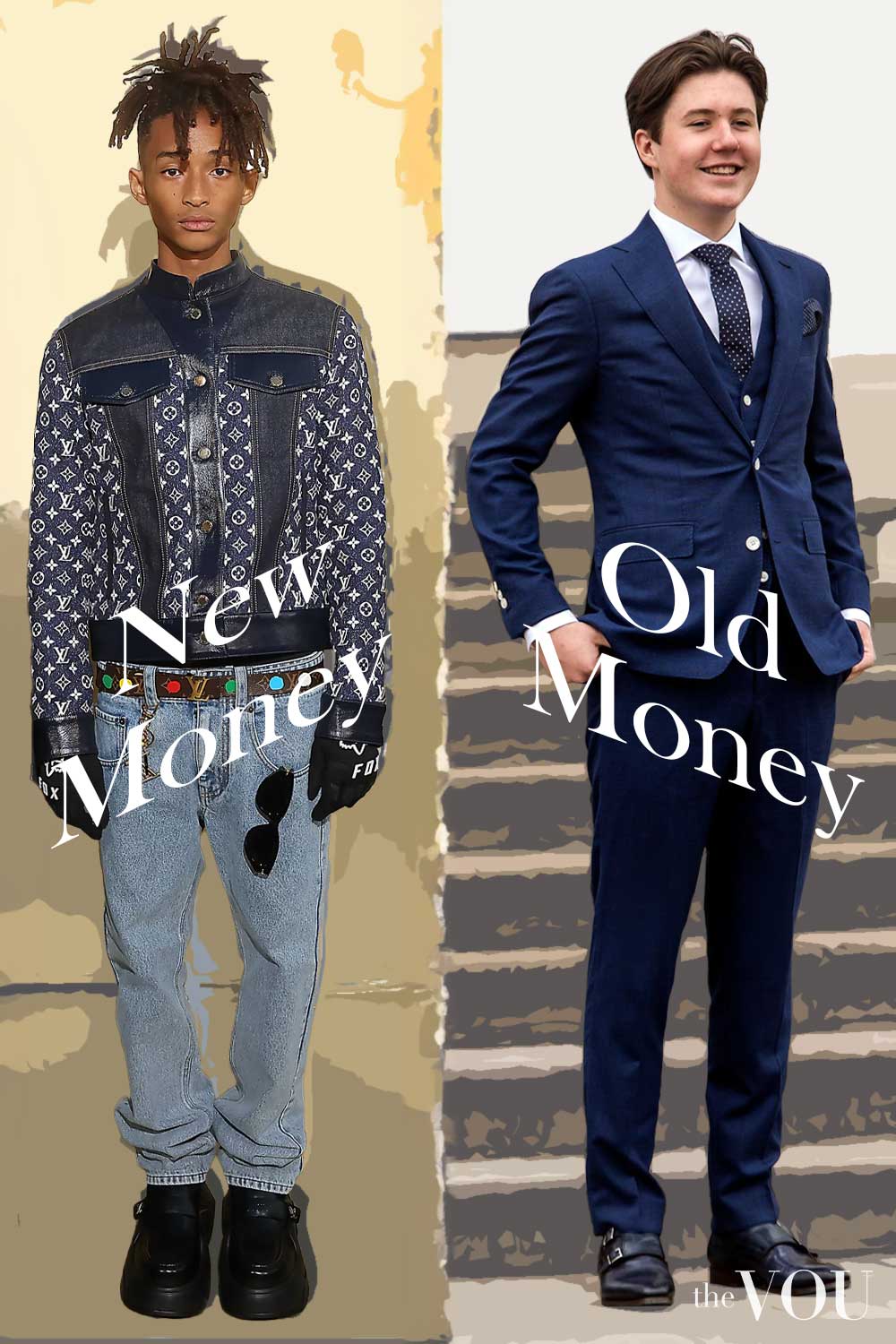
Old Fashion vs New Fashion: A Glorious Evolution of Style
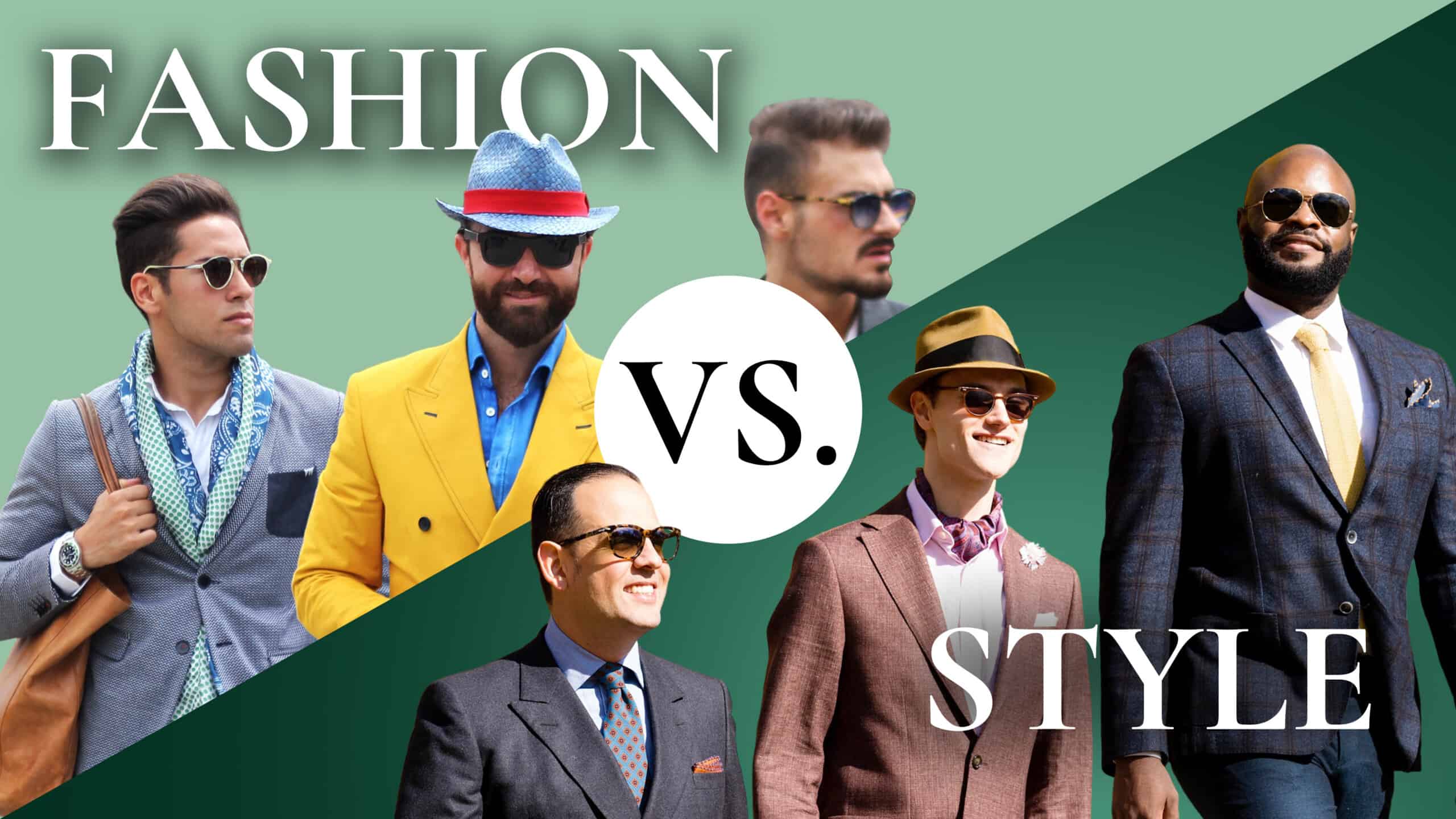
Fashion. It’s a word that conjures images of runways, vibrant colors, and ever-shifting trends. But beneath the surface of what’s "in" and what’s "out" lies a fascinating dance between the past and the present. Have you ever marveled at a vintage photograph, captivated by the elegance of a bygone era, only to then scroll through the latest influencer feed and feel a jolt of modern energy? This is the heart of the old fashion vs new fashion debate – a conversation that isn’t about one being superior to the other, but rather about the beautiful, dynamic evolution of human expression through clothing.
In this festive exploration, we’ll delve into the captivating world of old fashion vs new fashion, celebrating the enduring charm of yesteryear while embracing the exhilarating innovation of today. We’ll uncover what makes each era resonate, explore the driving forces behind their distinct aesthetics, and discover how they continue to influence each other in a truly magnificent way. So, let’s unfurl the fabric of time and discover the glorious journey of style!
The Enduring Allure of Old Fashion: A Timeless Tapestry
When we speak of "old fashion," we’re not just talking about clothes; we’re talking about a rich tapestry woven with history, craftsmanship, and a distinct societal narrative. Think of the opulent gowns of the Victorian era, the flapper dresses of the Roaring Twenties, or the tailored silhouettes of the 1950s. These styles weren’t just garments; they were statements of identity, reflecting the social norms, technological advancements, and cultural aspirations of their time.
H4: Craftsmanship and Quality: The Foundation of Vintage Charm
One of the most striking aspects of old fashion is the emphasis on craftsmanship and quality. In an era before mass production dominated, garments were often meticulously handcrafted. Tailors and seamstresses poured hours of dedication into each stitch, using fine fabrics and intricate techniques like hand-embroidery, intricate beading, and precise tailoring. This resulted in clothing that was not only beautiful but also built to last, often passed down through generations. The tactile experience of wearing a well-made vintage piece – the weight of the fabric, the precision of the seams – is something truly special.
- LSI Keywords: Vintage clothing, heritage fashion, artisanal tailoring, quality fabrics, durable garments, heirloom pieces.
H4: Silhouettes and Sensibilities: Reflecting Societal Values
The silhouettes of old fashion are a direct reflection of the prevailing societal values and norms. The cinched waists and voluminous skirts of the early 20th century spoke of a certain femininity and modesty. The more relaxed, yet still structured, styles of the mid-century conveyed a sense of post-war optimism and burgeoning domesticity. Even the bold, androgynous looks of the 1960s represented a radical shift in societal thinking and a desire for liberation. Understanding these silhouettes offers a window into the lives and aspirations of those who wore them.
- LSI Keywords: Fashion history, silhouette evolution, women’s fashion history, men’s fashion history, historical dress codes, cultural impact of fashion.
H4: The Nostalgia Factor: A Connection to the Past
There’s an undeniable nostalgia factor associated with old fashion. Wearing a piece of vintage clothing can evoke a sense of connection to a different time, a feeling of stepping back into a cherished memory or a romanticized past. It’s a way to honor history, to appreciate the artistry of previous generations, and to imbue one’s personal style with a unique narrative. This emotional connection is a powerful driver for the enduring popularity of vintage fashion.
- LSI Keywords: Fashion nostalgia, vintage appeal, retro style, historical fashion trends, sentimental value of clothing.
The Dazzling Dynamism of New Fashion: Embracing the Now
New fashion, on the other hand, is a vibrant, ever-evolving landscape driven by innovation, technology, and a constant desire for what’s next. It’s about pushing boundaries, experimenting with new materials, and reflecting the contemporary world in all its complexity. From streetwear trends to haute couture, new fashion is a mirror of our current culture and a glimpse into our future.
H4: Innovation and Technology: The Cutting Edge of Creation
The world of new fashion is synonymous with innovation and technology. Advancements in textile science have led to the development of sustainable, performance-driven, and even smart fabrics. 3D printing, digital design, and artificial intelligence are revolutionizing the design and manufacturing processes, allowing for greater customization and faster turnaround times. This technological integration means that new fashion is not only aesthetically exciting but also increasingly conscious of its environmental impact.
- LSI Keywords: Sustainable fashion, tech in fashion, innovative fabrics, 3D printed clothing, AI in fashion design, fast fashion innovation.
H4: Expressive Individuality: A Canvas for Self-Discovery
One of the most celebrated aspects of new fashion is its emphasis on expressive individuality. Unlike past eras where adherence to certain styles was more rigid, contemporary fashion encourages personal interpretation and unique combinations. Social media platforms have democratized style, allowing individuals to curate their own aesthetics and share them with the world. This focus on self-expression empowers individuals to use fashion as a powerful tool for identity formation and personal narrative.
- LSI Keywords: Personal style, fashion self-expression, individualistic fashion, street style trends, social media fashion, fashion influencers.
H4: Global Trends and Cultural Exchange: A Connected World
New fashion is inherently globalized, influenced by a constant cultural exchange between different regions and communities. Trends emerge and spread rapidly through the internet, creating a dynamic and interconnected fashion landscape. This global perspective allows for a rich fusion of styles, incorporating influences from diverse cultures and subcultures, leading to a more eclectic and exciting fashion scene.
- LSI Keywords: Global fashion trends, cultural fashion influences, fashion cross-pollination, international fashion weeks, subculture fashion.
The Glorious Interplay: How Old Fashion Fuels New Fashion
The old fashion vs new fashion dialogue isn’t a competition; it’s a symbiotic relationship. New fashion often draws inspiration from the past, reinterpreting vintage elements and breathing new life into them. This cyclical nature ensures that fashion remains relevant and exciting, constantly referencing its rich heritage.
H4: Vintage Revival and Modern Interpretation
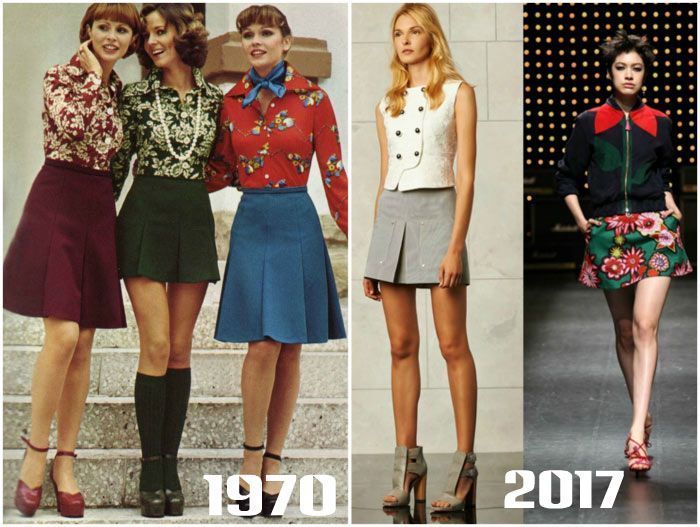
We see this constantly in the vintage revival and modern interpretation of past trends. The wide-leg trousers of the 70s are back, but with updated fabrics and contemporary styling. The prairie dresses of the past are re-imagined with modern silhouettes and edgy accessories. Designers frequently delve into archives, drawing inspiration from iconic garments and styles to create new collections that resonate with today’s audiences. This process of reinterpretation allows us to appreciate the enduring appeal of classic designs while making them accessible for the modern wearer.
- LSI Keywords: Vintage fashion revival, modern interpretations of vintage, retro-inspired fashion, designer inspirations from the past.
H4: Sustainability Through Secondhand and Upcycling
The growing awareness of sustainability has also fueled a renewed appreciation for old fashion. Thrifting, vintage shopping, and upcycling are not just budget-friendly choices; they are powerful statements against the environmental impact of fast fashion. By giving pre-loved garments a new lease on life, we reduce textile waste and embrace a more conscious approach to consumption. This movement beautifully bridges the gap between old and new, demonstrating that ethical choices can also be incredibly stylish.
- LSI Keywords: Sustainable fashion choices, secondhand clothing benefits, upcycled fashion, ethical fashion, conscious consumerism in fashion.
H4: The Timeless Appeal of Classic Pieces
Certain pieces of old fashion possess a timeless appeal that transcends trends. A well-tailored trench coat, a classic little black dress, a perfectly fitted denim jacket – these are staples that have remained relevant for decades. New fashion often builds upon these foundational pieces, offering variations and updates, but the core essence of their enduring style remains. This highlights that true style is not just about what’s new, but what has lasting merit.
- LSI Keywords: Classic fashion staples, timeless wardrobe essentials, enduring style pieces, investment fashion.
Navigating the Spectrum: Finding Your Personal Style
Ultimately, understanding the old fashion vs new fashion spectrum allows us to cultivate a richer and more personal sense of style. It’s about appreciating the lessons of the past while embracing the possibilities of the present.
H4: The Joy of Mixing and Matching
The true magic happens when we mix and match elements from different eras. Imagine pairing a vintage silk scarf with a modern minimalist outfit, or layering a contemporary graphic tee under a classic tweed blazer. This fusion creates a unique and dynamic look that tells your personal story. It’s about creating a wardrobe that is both contemporary and steeped in history, a reflection of your individuality and your appreciation for the art of fashion.
- LSI Keywords: Eclectic fashion style, mixing vintage and modern, personal fashion curation, unique style combinations.
H4: Investing in Quality Over Quantity
Whether it’s a beautifully crafted vintage coat or a thoughtfully designed contemporary piece, the principle of investing in quality over quantity remains paramount. This approach not only ensures your garments last longer but also fosters a more mindful and sustainable relationship with your wardrobe. It’s about choosing pieces that you truly love and that will stand the test of time, regardless of their era.
- LSI Keywords: Quality fashion investments, building a capsule wardrobe, mindful fashion consumption, durable clothing choices.
H4: Fashion as a Form of Storytelling
Both old fashion and new fashion are powerful forms of storytelling. The clothes we choose communicate who we are, where we come from, and what we aspire to be. By understanding the historical context of old fashion and the contemporary influences on new fashion, we can become more intentional storytellers through our personal style. It’s about dressing with purpose, with intention, and with a deep appreciation for the journey of fashion.
- LSI Keywords: Fashion as self-expression, personal narrative through clothing, intentional dressing, conscious fashion choices.
Conclusion: A Celebratory Blend of Eras
The old fashion vs new fashion conversation is a testament to the enduring power and creativity of human expression. It’s a reminder that style is not static but a vibrant, ever-evolving entity. By appreciating the craftsmanship and sentiment of old fashion, and embracing the innovation and individuality of new fashion, we can create truly magnificent wardrobes that are both deeply personal and beautifully resonant. So, whether you’re a vintage enthusiast, a trendsetter, or somewhere in between, celebrate the glorious blend of eras and let your style tell your unique story!
What are your favorite ways to blend old and new fashion in your wardrobe? Share your tips and inspiration in the comments below!
Frequently Asked Questions (FAQ)
Q1: What is the main difference between old fashion and new fashion?
The main difference lies in their historical context and driving forces. Old fashion typically refers to styles from past eras, often characterized by meticulous craftsmanship, specific societal norms, and a slower pace of trend evolution. New fashion, conversely, is contemporary and constantly evolving, driven by technological advancements, global influences, and a focus on individual expression and rapid trend cycles.
Q2: Is old fashion better than new fashion?
Neither old fashion nor new fashion is inherently Black white new fashion week a striking triumph of timeless style "better." They represent different values and aesthetics. Old fashion offers timeless quality, historical depth, and a connection to the past, while new fashion provides innovation, current relevance, and a platform for cutting-edge self-expression. The best approach is often to appreciate and integrate elements from both.
Q3: How does old fashion influence new fashion?
Old fashion significantly influences new fashion through revivals, reinterpretations, and the re-emergence of classic silhouettes and styles. Designers frequently draw inspiration from vintage aesthetics, adapting them with modern fabrics and contemporary styling. Furthermore, the growing emphasis on sustainability has boosted the popularity of vintage and secondhand clothing, directly linking old fashion to contemporary conscious consumption.
Q4: What are some key characteristics of old fashion?
Key characteristics of old fashion include superior craftsmanship, durable materials, distinct silhouettes that reflect societal norms of the time, and a sense of nostalgia. Examples include hand-stitching, intricate embellishments, tailored fits, and styles associated with specific historical periods like the Victorian era or the 1950s.
Q5: What are the advantages of embracing new fashion trends?
Advantages of embracing new fashion trends include staying current with contemporary aesthetics, experimenting with innovative fabrics and technologies, expressing your individuality in line with current cultural dialogues, and participating in the dynamic global fashion conversation. New fashion also often incorporates advancements in sustainability and ethical production.