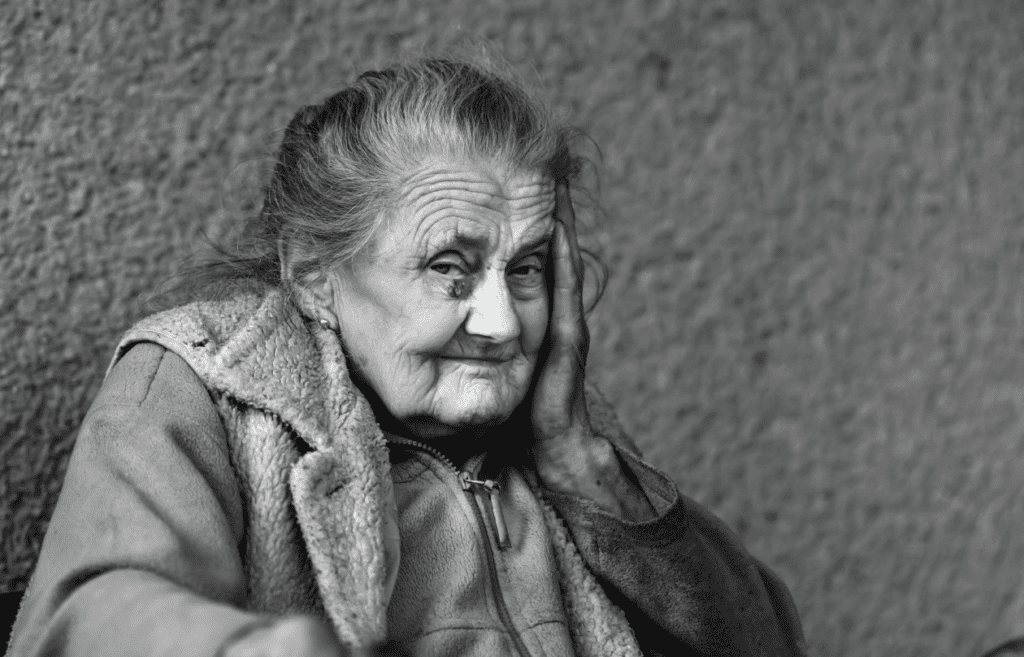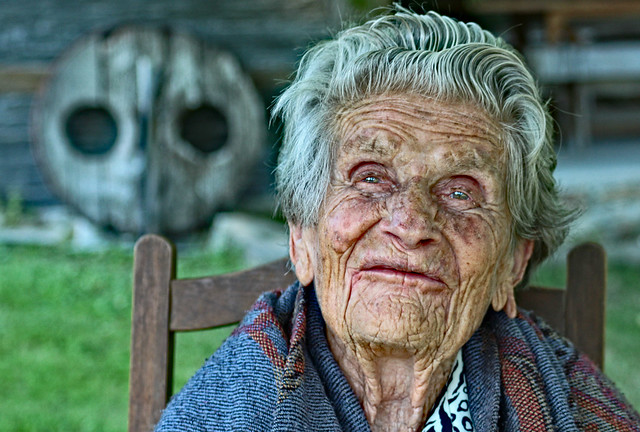
The world whirls at a dizzying pace, constantly chasing the next trend, the newest innovation. Yet, amidst this relentless march forward, there’s a powerful pull towards the past, a yearning for what has stood the test of time. This is where the question arises, a timeless debate that sparks passionate discussions: old or new fashioned? Is it the comfort and familiarity of established traditions, or the thrill and progress of the contemporary?
This isn’t just about fleeting fads; it’s about our values, our aesthetics, and how we choose to express ourselves in a world that’s always evolving. Today, we’ll dive deep into this fascinating dichotomy, exploring the profound impact of both "old fashioned" and "new fashioned" on our lives, from our wardrobes and homes to our relationships and even our culinary preferences. We’ll discover why the allure of the past remains so potent, and how embracing the new can unlock exciting possibilities.
The Irresistible Allure of the "Old Fashioned"
There’s a certain magic, a deeply comforting embrace, that the term "old fashioned" evokes. It conjures images of simpler times, of craftsmanship, of a slower, more deliberate way of life. This isn’t about being stuck in the past; it’s about recognizing the enduring value and beauty that can be found in what has been perfected over generations.
H3: The Craftsmanship of Yesteryear
One of the most compelling aspects of the "old fashioned" is its emphasis on quality and craftsmanship. In an era of mass production and disposable goods, items created with meticulous attention to detail, using durable materials, possess a unique allure. Think of a hand-stitched leather bag, a solid oak dining table, or a vintage watch that still ticks with precision. These aren’t just objects; they are testaments to skill, patience, and a dedication to creating something that is built to last.
- LSI Keywords: artisanal, handcrafted, heritage, vintage, bespoke, durable goods, quality materials, timeless design.
H3: The Comfort of Familiarity and Tradition
"Old fashioned" often translates to a sense of comfort and security. These are the traditions we inherit, the recipes passed down through families, the stories we share with loved ones. They provide a grounding, a sense of belonging, and a connection to our roots. During holidays, for instance, many of us gravitate towards familiar dishes and rituals, finding solace and joy in their predictable warmth. This isn’t to say new traditions can’t be wonderful, but there’s a special resonance in the familiar.
- LSI Keywords: nostalgia, heritage, family recipes, cultural traditions, sentimental value, established practices, familiar comforts, generational knowledge.
H3: The Aesthetics of Enduring Style
When we talk about "old fashioned" style, we often mean classic and elegant. Think of the timeless silhouettes of vintage clothing, the ornate details of Victorian architecture, or the soothing melodies of classic jazz. These aesthetics have a proven track record of appeal, transcending fleeting trends. They speak of sophistication, good taste, and an appreciation for enduring beauty. This is the "old fashioned" that never truly goes out of style.
- LSI Keywords: classic style, vintage fashion, retro aesthetics, elegant design, enduring beauty, traditional decor, iconic looks, sophisticated taste.
H3: The Power of Deliberate Action
The "old fashioned" way often implies a more deliberate and mindful approach. Whether it’s writing a handwritten letter instead of sending a text, or taking the time to cook a meal from scratch, these actions are imbued with a personal touch and a greater investment of care. This deliberate pace can be incredibly rewarding, fostering deeper connections and a greater appreciation for the process. It’s a refreshing antidote to the instant gratification that often defines modern life.
- LSI: mindful living, slow living, intentionality, personal touch, thoughtful gestures, handcrafted experiences, present moment.
Embracing the "New Fashioned": Innovation and Progress
On the other side of the spectrum lies the exhilarating world of the "new fashioned." This is where innovation thrives, where creativity pushes boundaries, and where the future is actively being shaped. To dismiss the "new fashioned" would be to ignore the incredible advancements that enrich our lives and offer exciting new possibilities.
H3: The Excitement of Innovation and Technology
The "new fashioned" is intrinsically linked to progress and technological advancement. From smartphones that connect us globally to groundbreaking medical treatments, innovation constantly redefines what’s possible. This can bring incredible convenience, efficiency, and even solve some of the world’s most pressing problems. Embracing the "new fashioned" means being open to these transformative changes.
- LSI Keywords: cutting-edge, modern technology, digital age, advancements, future-forward, smart devices, innovative solutions, technological progress.
H3: The Thrill of Novelty and Discovery
There’s an undeniable thrill in experiencing something new. The "new Women casual outfits sets effortless style instant chic fashioned" offers a constant stream of novelty, from avant-garde art and music to experimental cuisine and cutting-edge fashion. This can be incredibly stimulating, broadening our horizons and sparking our curiosity. It’s about the joy of discovery, of encountering fresh perspectives and pushing beyond our comfort zones.
- LSI Keywords: contemporary trends, modern art, experimental cuisine, fashion innovation, fresh perspectives, breaking boundaries, unique experiences, cultural evolution.
H3: The Evolution of Design and Aesthetics
"New fashioned" design is often characterized by sleek lines, minimalist aesthetics, and a focus on functionality. Think of modern architecture that blends seamlessly with its environment, or the intuitive interfaces of our favorite apps. This is a design philosophy that prioritizes clarity, efficiency, and a clean, uncluttered look. It’s a bold statement about the present and the future.
- LSI Keywords: minimalist design, contemporary art, modern architecture, sleek aesthetics, functional design, clean lines, urban style, digital aesthetics.
H3: The Power of Adaptability and Growth
The "new fashioned" encourages adaptability and a willingness to learn and grow. In a rapidly changing world, the ability to embrace new ideas and technologies is crucial for success and personal development. This mindset allows us to navigate challenges, seize opportunities, and continuously evolve. It’s about being agile and open to transformation.
- LSI Keywords: adaptability, personal growth, lifelong learning, embracing change, skill development, future-proofing, progressive mindset, evolving perspectives.
The Interplay: Where "Old Fashioned" Meets "New Fashioned"
The beauty of the "old or new fashioned" debate lies not in choosing one over the other, but in understanding how they can beautifully coexist and enrich each other. Often, the most compelling and satisfying experiences arise from a harmonious blend of the two.
H3: Fusion Cuisine: A Culinary Masterpiece
Consider the world of food. We have beloved "old fashioned" comfort dishes like roast chicken or apple pie. Yet, "new fashioned" culinary trends have introduced us to global flavors, innovative cooking techniques, and unexpected ingredient pairings. The result? Fusion cuisine, where traditional foundations are elevated with modern flair, creating exciting and delicious new experiences. A classic French pastry with a Japanese matcha twist, or a traditional Italian pasta dish infused with Southeast Asian spices – these are the culinary triumphs of combining the best of both worlds.
- LSI Keywords: fusion food, culinary innovation, modern gastronomy, experimental cooking, global flavors, ingredient pairings, gourmet experience.
H3: Fashion Forward: Timeless Silhouettes with Modern Twists
In fashion, the most iconic looks often draw inspiration from the past while embracing contemporary sensibilities. A well-tailored blazer, a classic trench coat, or a little black dress are "old fashioned" staples that remain eternally stylish. However, designers constantly reimagine these pieces with new fabrics, modern cuts, and unexpected details, making them relevant and exciting for today’s wearer. It’s about respecting heritage while daring to innovate.
- LSI Keywords: fashion trends, style evolution, classic pieces, modern silhouettes, haute couture, street style, sartorial elegance, designer collections.
H3: Home Decor: Comfort and Contemporary Chic
Our living spaces are a prime example of this beautiful interplay. We might cherish an antique piece of furniture, a sentimental heirloom that adds character and history to a room. This "old fashioned" charm can be beautifully complemented by "new fashioned" elements like minimalist decor, smart home technology, or bold, contemporary art. The result is a home that feels both welcoming and current, personal and sophisticated.
- LSI Keywords: interior design, home decor, furniture styles, modern living, vintage finds, smart home, aesthetic appeal, personal style.
H3: Relationships: Enduring Values in a Modern World
Even in our relationships, the "old or new fashioned" question surfaces. While modern dating has introduced new ways of connecting, the fundamental values of respect, kindness, and genuine connection remain timeless. The "old fashioned" principles of courtship, like thoughtful gestures and open communication, are still incredibly powerful in building strong, lasting bonds, even when navigating the complexities of the "new fashioned" digital landscape.
- LSI Keywords: relationship advice, modern dating, communication skills, emotional connection, enduring love, family values, interpersonal skills, healthy relationships.
The Verdict: It’s Not "Old Fashioned" vs. "New Fashioned," It’s "And"
Ultimately, the question of old or new fashioned isn’t a battle to be won. It’s an invitation to appreciate the richness that both bring to our lives. The "old fashioned" offers us a vital connection to our past, a foundation of quality, and the comfort of familiarity. The "new fashioned" propels us forward, ignites our curiosity, and opens doors to exciting possibilities.
The truly powerful approach is to embrace the best of both. To find the enduring charm in timeless classics while remaining open to the innovations that can enhance our lives. To appreciate the craftsmanship of yesterday and the creativity of tomorrow. It’s about curating a life that is both grounded and aspirational, familiar and exhilarating.
So, the next time you find yourself pondering old or new fashioned, remember that the most fulfilling path is often one that weaves together the threads of both, creating a tapestry that is uniquely yours, rich with history, and vibrant with the promise of the future.
Frequently Asked Questions (FAQ)
Q1: What does "old fashioned" really mean?
"Old fashioned" generally refers to things that are traditional, classic, or reminiscent of an earlier era. It often implies a sense of nostalgia, established quality, and a slower, more deliberate approach.
Q2: Is "new fashioned" always better than "old fashioned"?
Not necessarily. "New fashioned" represents innovation and progress, which can be incredibly beneficial. However, "old fashioned" often embodies enduring values like quality craftsmanship and timeless aesthetics that remain valuable.
Q3: Can I be both "old fashioned" and "new fashioned"?
Absolutely! The most fulfilling approach is to integrate elements of both. You can appreciate traditional craftsmanship while embracing modern technology, or enjoy classic recipes while experimenting with new culinary trends.
Q4: How does "old fashioned" influence modern trends?
Many modern trends are inspired by or reinterpret "old fashioned" aesthetics, designs, and values. This cyclical nature of style shows the enduring appeal of what has come before.
Q5: What are some examples of "old fashioned" charm in everyday life?
Examples include handwritten letters, homemade meals, vintage clothing, classic literature, and traditional craftsmanship in furniture or decor.
Q6: What are some examples of "new fashioned" innovation?
Examples include smartphones, electric vehicles, artificial intelligence, contemporary art, and modern architectural designs.