Men Fashion Concept Design: Unlocking Extraordinary Style
The world of men’s fashion is a vibrant tapestry, constantly evolving and pushing boundaries. Beyond the readily available trends and timeless classics lies a fascinating realm: men fashion concept design. This isn’t about what you’ll find on every rack; it’s about the bold ideas, the groundbreaking visions, and the artistic expressions that shape the future of menswear. Concept design is the engine of innovation, the spark that ignites new silhouettes, materials, and aesthetics, ultimately influencing the garments we’ll all be wearing tomorrow. It’s a space where creativity reigns supreme, free from the immediate commercial pressures, allowing designers to explore the extraordinary.
This article delves deep into the captivating world of men fashion concept design. We’ll explore what it entails, why it’s crucial for the industry’s growth, and how these imaginative explorations translate into tangible style advancements. Get ready to be inspired by the boundless possibilities of men’s fashion!
What Exactly is Men Fashion Concept Design?
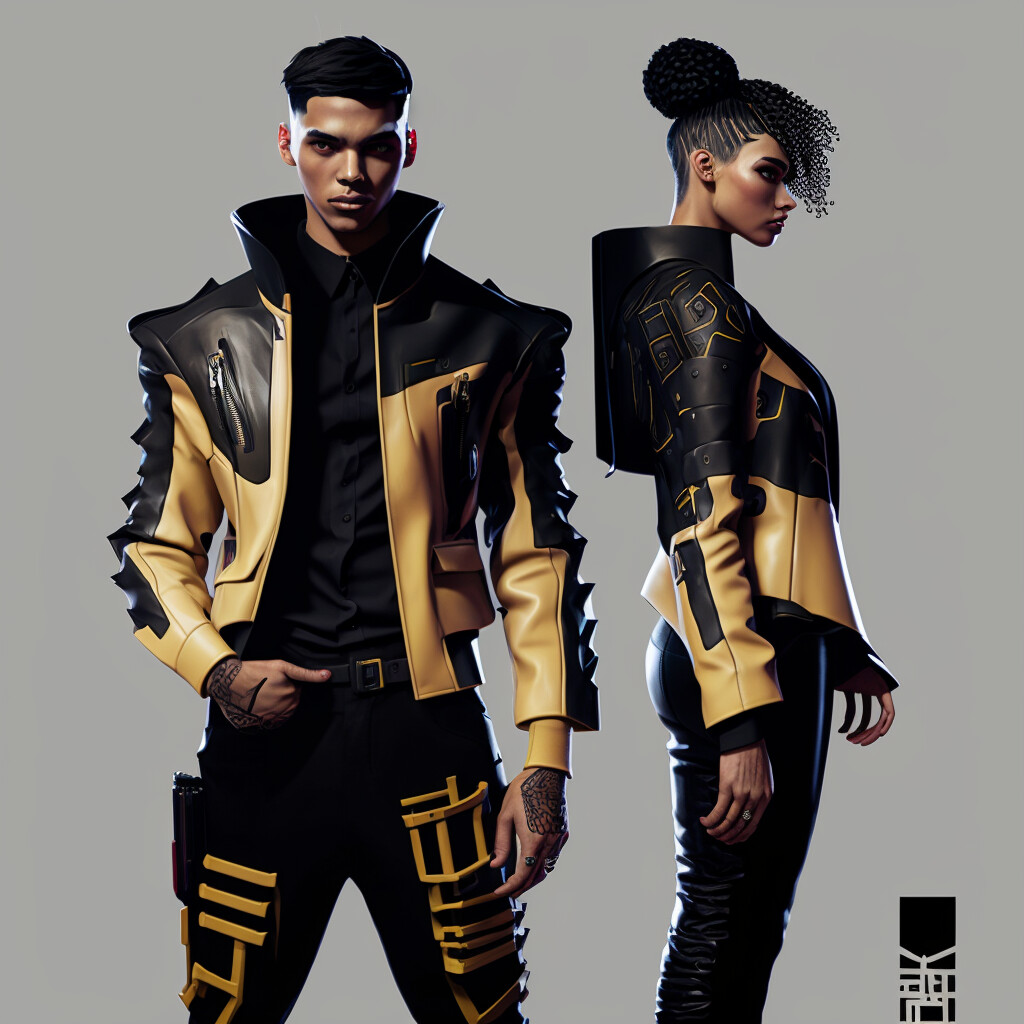
At its core, men fashion concept design is the initial, imaginative phase of creating new clothing and style directions for men. It’s where ideas are born, sketches are drawn, and experimental prototypes are developed before they are refined for mass production or even presented as high-fashion statements. Think of it as the blueprint for the future of menswear.
Unlike ready-to-wear or haute couture, which are often driven by immediate market demands and seasonal collections, concept design operates on a more exploratory level. It’s about:
- Pushing Boundaries: Challenging existing norms and expectations of what men can wear.
- Exploring New Narratives: Telling stories through clothing, conveying emotions, or commenting on societal issues.
- Experimenting with Materials and Techniques: Utilizing unconventional fabrics, advanced technologies, or innovative construction methods.
- Visualizing Future Aesthetics: Imagining how men will dress in the coming years, decades, or even centuries.
Concept design can manifest in various forms, from highly conceptual runway shows and avant-garde exhibitions to research and development within design houses. It’s the playground for designers to truly express their artistic vision and explore the very essence of masculine style.
The Power and Purpose of Men Fashion Concept Design
Why invest time and resources into designing concepts that might never see the light of a retail store? The impact of men fashion concept design is far-reaching and profoundly important for the fashion ecosystem.
Driving Innovation and Progress
Concept design is the wellspring of innovation in menswear. Designers use this space to:
- Introduce Novel Silhouettes: Think about how oversized silhouettes, sharp tailoring, or deconstructed garments all started as concepts before becoming mainstream.
- Pioneer New Material Applications: From sustainable bio-fabrics to smart textiles with integrated technology, concept design often showcases the future of materials.
- Redefine Functionality: Exploring how clothing can be more adaptable, comfortable, or serve new purposes, such as integrated charging capabilities or temperature regulation.
- Challenge Gender Norms: Concept design is a crucial avenue for breaking down traditional masculine stereotypes in fashion, encouraging greater inclusivity and self-expression.
Shaping Consumer Taste and Desire
While not always immediately accessible, concept designs often plant seeds in the collective consciousness. Seeing daring, forward-thinking ideas can:
- Educate and Inspire: It introduces consumers to new possibilities and expands their understanding of what fashion can be.
- Create Anticipation: It builds excitement for future trends and encourages a more adventurous approach to personal style.
- Influence Mainstream Collections: Elements from concept designs often trickle down into more commercially viable collections, adapted and refined for wider appeal.
Artistic Expression and Social Commentary
Beyond commerce, men fashion concept design serves as a powerful platform for artistic expression and social commentary. Designers can use their concepts to:
- Express Individual Vision: It allows for pure artistic exploration without the constraints of marketability.
- Address Societal Issues: Concepts can be used to highlight environmental concerns, political statements, or cultural dialogues.
- Create Memorable Moments: Avant-garde concept pieces often become iconic images, defining an era or a designer’s legacy.
Key Elements of Men Fashion Concept Design
The creation of compelling men fashion concept design involves a multifaceted approach, blending artistic intuition with a keen understanding of aesthetics, materials, and future possibilities.
Inspiration and Ideation
The genesis Spring summer fashion wgsn a breathtaking vision of the future of any concept lies in inspiration. This can stem from:
- Art and Architecture: The lines of a sculpture, the geometry of a building, or the color palette of a painting can all spark design ideas.
- Nature: The textures of bark, the patterns of a butterfly’s wings, or the fluidity of water can inspire new forms and materials.
- History and Culture: Revisiting historical garments, traditional crafts, or specific cultural aesthetics can provide a rich foundation for reimagining.
- Technology and Science: The advancements in AI, robotics, or material science offer endless possibilities for future-forward designs.
- Social and Political Movements: Concepts can be a response to current events, reflecting societal shifts or advocating for change.
Silhouette and Form
The silhouette is the fundamental shape of a garment. In concept design, designers are free to:
- Deconstruct and Reconstruct: Taking familiar garments apart and reassembling them in unexpected ways.
- Exaggerate Proportions: Playing with oversized shoulders, voluminous trousers, or elongated jackets.
- Explore Asymmetry: Creating visual interest and dynamism through unbalanced designs.
- Challenge Traditional Fit: Moving away from conventional tailoring to explore more fluid or architectural forms.
Materiality and Texture
The choice of fabric is paramount in conveying the essence of a concept. Designers in this space often experiment with:
- Unconventional Materials: Think recycled plastics, bio-engineered fabrics, or even edible materials.
- Innovative Textures: Using 3D printing, laser cutting, or advanced weaving techniques to create unique surface qualities.
- Smart Textiles: Incorporating conductive threads, temperature-regulating fibers, or color-changing materials.
- Sustainable Alternatives: Prioritizing eco-friendly and ethically sourced materials as a core tenet of their design philosophy.
Color and Pattern
While not always the primary focus, color and pattern play a vital role in defining the mood and message of a concept. Designers might:
- Utilize Bold and Unexpected Color Palettes: Moving beyond traditional menswear colors to embrace vibrant hues or monochromatic schemes.
- Develop Abstract or Digital Prints: Creating unique patterns that reflect technological influences or artistic expressions.
- Explore Subtlety and Nuance: Using tonal variations or intricate weaves to create understated yet impactful visual effects.
Narrative and Storytelling
Perhaps the most powerful aspect of men fashion concept design is its ability to tell a story. Each concept piece can be imbued with meaning, aiming to:
- Evoke Emotion: Creating garments that make the wearer or observer feel a certain way – empowered, introspective, or rebellious.
- Convey a Message: Using design elements to communicate ideas about identity, society, or the environment.
- Create a Character: Designing for an imagined individual or archetype, giving them a distinct sartorial identity.
The Impact of Men Fashion Concept Design on the Industry
The ripple effect of men fashion concept design is undeniable, shaping the landscape of menswear in profound ways.
From Runway to Reality: The Gradual Adoption of Concepts
It’s a common misconception that concept designs are purely for show. In reality, many elements that eventually become mainstream trends originate from these experimental explorations.
- The "Trickle-Down" Effect: Designers observe successful or intriguing concept pieces and adapt their core ideas into more commercially viable collections. This might involve simplifying silhouettes, using more accessible materials, or refining the overall aesthetic.
- Influence on Streetwear: The influence of avant-garde concepts can be seen in the evolution of streetwear, which often embraces bold graphics, unconventional fits, and experimental fabrications.
- Redefining "Masculine" Style: Concept design has been instrumental in challenging rigid definitions of masculinity in fashion, encouraging a more fluid and diverse approach to personal style.
The Role of Technology in Concept Design
Technology is not just a source of inspiration but also a tool that empowers men fashion concept design.
- 3D Printing and Digital Design: Allows for the creation of intricate geometries, custom fits, and unique textures that would be impossible with traditional methods.
- Augmented and Virtual Reality: Designers can visualize and present their concepts in immersive digital environments, offering new ways for audiences to experience their creations.
- Sustainable Technologies: Advancements in bio-fabrication, recycled materials, and circular design processes are increasingly integrated into conceptual explorations, reflecting a growing awareness of environmental responsibility.
The Future of Men Fashion Concept Design
Looking ahead, men fashion concept design is poised to become even more dynamic and impactful. We can expect to see:
- Increased Emphasis on Sustainability and Ethics: Concepts will increasingly focus on circularity, biodegradability, and responsible production.
- Greater Integration of Technology: Smart clothing, personalized experiences, and digitally enhanced garments will become more prevalent.
- Exploration of New Identities and Inclusivity: Designs will continue to push boundaries, catering to a wider spectrum of gender identities and personal expressions.
- The Rise of the "Metaverse" Designer: As virtual worlds evolve, concept design will play a crucial role in shaping digital fashion and avatar aesthetics.
Examples of Men Fashion Concept Design in Action
While specific concepts are often ephemeral, their influence is undeniable. Think of:
- Avant-Garde Designers: Individuals like Rick Owens, Yohji Yamamoto, and Rei Kawakubo (for Comme des Garçons) consistently push the boundaries with their conceptual approach to menswear, influencing silhouettes, deconstruction, and dark, avant-garde aesthetics.
- Experimental Runway Shows: Collections that feature exaggerated proportions, unconventional materials, or theatrical presentations often showcase pure concept design.
- Futuristic Fashion Exhibitions: Museums and galleries often host exhibitions dedicated to conceptual fashion, providing a platform for designers to showcase their most visionary ideas.
Navigating the World of Men Fashion Concept Design
For aspiring designers and fashion enthusiasts alike, understanding men fashion concept design is key.
- For Aspiring Designers: Embrace experimentation, study art and architecture, experiment with materials, and don’t be afraid to challenge conventions. Build a strong portfolio that showcases your unique vision.
- For Fashion Enthusiasts: Stay curious, follow avant-garde designers and exhibitions, and be open to new ideas. The concepts you see today might be the trends of tomorrow.
Frequently Asked Questions (FAQ)
Q1: What is the main difference between men fashion concept design and ready-to-wear?
A1: Concept design is about exploring bold, experimental ideas without immediate commercial constraints, while ready-to-wear focuses on creating marketable garments for mass production.
Q2: Where can I see examples of men fashion concept design?
A2: You can find examples in avant-garde fashion shows, high-fashion editorials, conceptual fashion exhibitions, and the work of experimental designers.
Q3: How does men fashion concept design influence everyday style?
A3: Elements from concept designs often "trickle down" into mainstream fashion, inspiring new silhouettes, materials, and aesthetic directions that eventually become more accessible.
Q4: Is men fashion concept design always expensive and impractical?
A4: Not necessarily. While some concepts are highly artistic and may use expensive materials, the core idea is about innovation, which can lead to practical advancements in materials and construction that benefit all levels of fashion.
Q5: What role does sustainability play in men fashion concept design?
A5: Sustainability is becoming an increasingly important driver in concept design, with designers exploring eco-friendly materials, circular design principles, and ethical production methods.
Conclusion: Embracing the Future of Style
Men fashion concept design is more than just clothing; it’s a powerful force that shapes our perceptions of style, masculinity, and creativity. It’s a testament to the boundless imagination of designers and their commitment to pushing the boundaries of what’s possible. By understanding and appreciating this innovative realm, we can gain a deeper insight into the evolution of menswear and anticipate the exciting directions it will take. So, let’s celebrate the bold ideas, the artistic explorations, and the extraordinary visions that define men fashion concept design – for it is here that the future of our wardrobes is truly conceived.
What are your thoughts on the most exciting aspects of men fashion concept design? Share your favorite examples or predictions in the comments below!