The Magnificent Power of a Logo for Men’s Fashion: Crafting an Unforgettable Brand Identity
In the vibrant and ever-evolving world of men’s fashion, a logo is far more than just a pretty picture. It’s the silent ambassador of your brand, the initial handshake with a potential customer, and the lasting impression that lingers long after a purchase. For brands aiming to capture the discerning male consumer, a powerful and strategically designed logo for men’s fashion is not just an option; it’s a necessity. This article delves deep into the art and science of creating a logo that resonates, captivates, and ultimately drives success in the competitive men’s apparel market. We’ll explore the essential elements, timeless strategies, and emerging trends that define an exceptional logo for men’s fashion, ensuring your brand stands out from the crowd and speaks directly to your target audience.
The Crucial Role of a Logo for Men’s Fashion in Building Brand Equity
A logo for men’s fashion acts as the cornerstone of your brand’s visual identity. It’s the first point of contact and often the most memorable aspect of your brand. Think about iconic names in menswear: the interlocking Gs of Gucci, the soaring eagle of Emporio Armani, or the distinctive crocodile of Lacoste. These symbols are instantly recognizable and evoke a wealth of associations – luxury, craftsmanship, athleticism, or timeless style.
Why is a logo so important for men’s fashion?
- Instant Recognition: In a saturated market, a unique logo ensures your brand is easily identifiable across various platforms, from clothing tags and websites to social media and advertising campaigns.
- Communicating Brand Values: A well-designed logo for men’s fashion can subtly convey the essence of your brand. Is it rugged and adventurous, sleek and sophisticated, minimalist and modern, or vintage-inspired? The visual cues within your logo speak volumes.
- Building Trust and Credibility: A professional and polished logo signals legitimacy and quality. It instills confidence in consumers, assuring them they are investing in a reputable brand.
- Fostering Loyalty: Over time, a strong logo becomes associated with positive experiences and a consistent brand message, leading to customer loyalty and repeat business.
- Differentiation in a Crowded Market: The men’s fashion landscape is brimming with established giants and emerging players. A compelling logo for men’s fashion is your key differentiator, helping you carve out a unique niche.
Decoding the DNA of a Successful Logo for Men’s Fashion
Crafting an effective logo for men’s fashion involves a thoughtful consideration of several key elements. It’s not about randomly picking a font and an icon; it’s about strategic design that aligns with your brand’s narrative and appeals to the male demographic.
H3: Understanding Your Target Audience: The Foundation of Your Logo for Men’s Fashion
Before a single line is drawn, a deep understanding of your target audience is paramount. Men’s fashion isn’t monolithic; it spans diverse styles, age groups, and lifestyles.
- Demographics: Are you targeting young, urban professionals, mature gentlemen seeking classic elegance, or outdoorsy individuals who prioritize durability and functionality?
- Psychographics: What are their aspirations, values, and interests? Do they associate with status, comfort, innovation, or rebellion?
- Style Preferences: Do they lean towards minimalist aesthetics, bold statements, traditional tailoring, or athleisure?
A logo for men’s fashion designed for a luxury bespoke suit brand will look vastly different from one aimed at a streetwear label.
H3: Exploring Different Logo Types for Men’s Fashion Brands
The choice of logo type significantly impacts its overall feel and message. For men’s fashion, several styles are particularly effective:
- Wordmarks (Logotypes): These logos feature the brand name in a distinctive typeface. They are excellent for building name recognition. Think of Calvin Klein or Ralph Lauren. The font choice is critical here, conveying sophistication, modernity, or classic appeal.
- Lettermarks (Monograms): Similar to wordmarks but using initials, these are often favored by brands with long names or those seeking a more concise, elegant mark. The LV of Louis Vuitton or YSL of Yves Saint Laurent are prime examples.
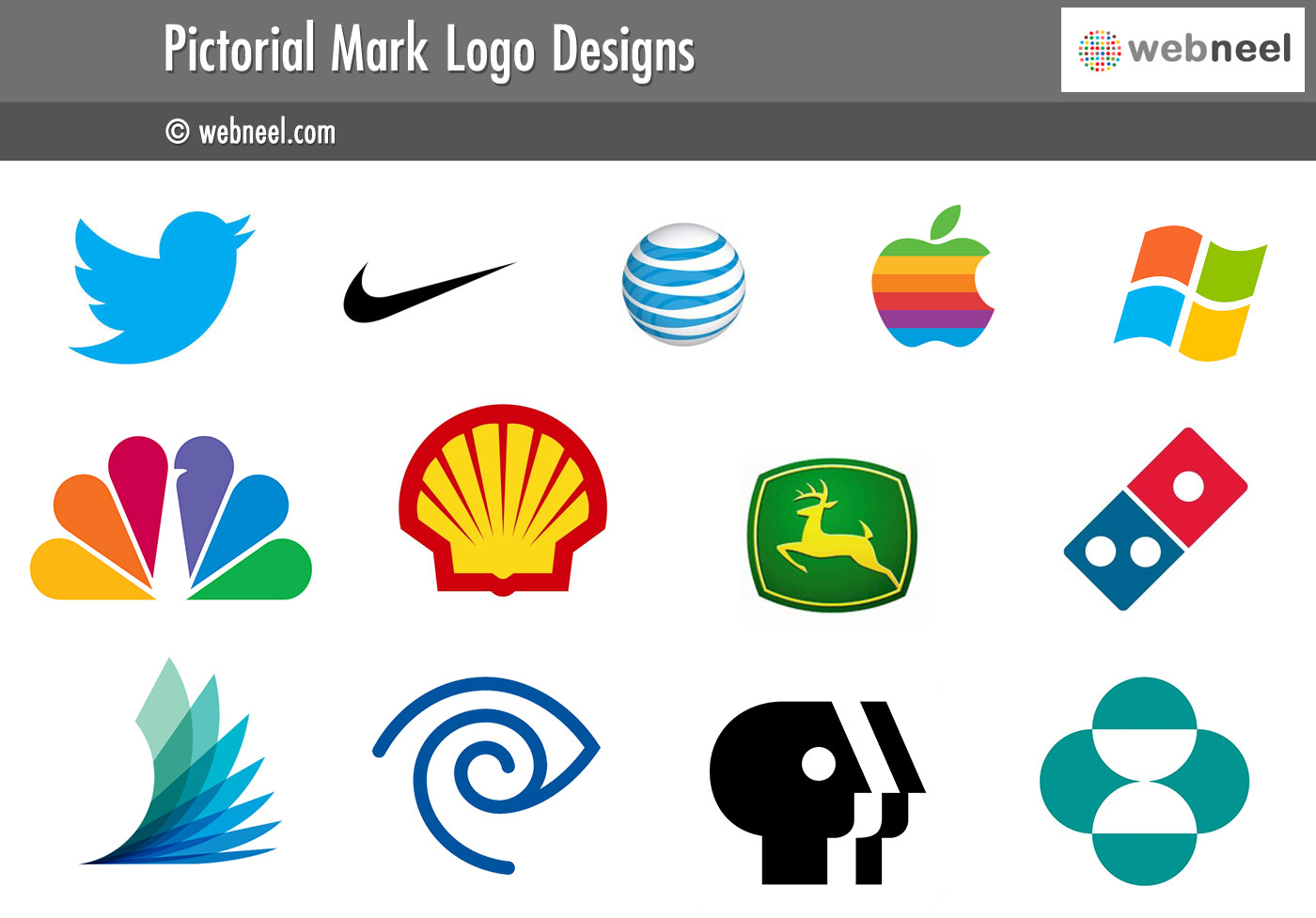
- Pictorial Marks (Brand Marks/Symbols): These are iconic images that represent the brand. The Nike swoosh or Adidas trefoil are universally recognized symbols. For men’s fashion, this could be an animal, an abstract shape, or an object that signifies a core brand value.
- Abstract Marks: These logos use geometric shapes or abstract designs to create a unique visual identity. They offer a modern and sophisticated feel.
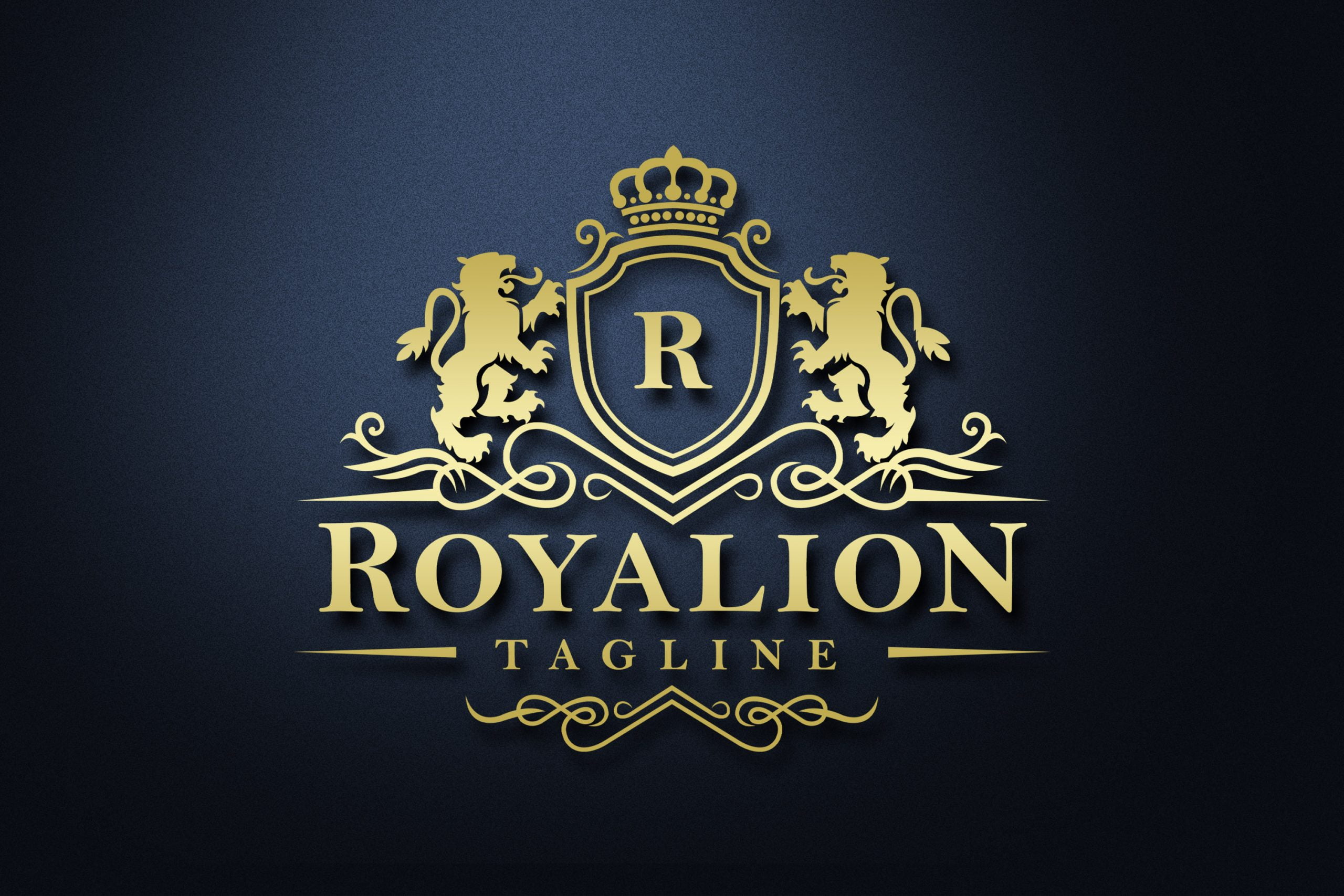
- Emblem Logos: These logos combine text and symbols within a contained shape, like a crest or shield. They often evoke tradition, heritage, or exclusivity. Think of classic university crests or old-school sportswear brands.
- Mascots: While less common in high-fashion menswear, mascots can be effective for more casual or niche brands, adding personality and approachability.
For a logo for men’s fashion, a combination of these elements can also be highly effective. For instance, a wordmark paired with a subtle pictorial mark.
H3: The Power of Typography in a Logo for Men’s Fashion
Typography is the silent narrator of your brand’s story. For men’s fashion, font selection is a critical decision:
- Serif Fonts: Often convey tradition, elegance, and sophistication. Think of classic tailoring or heritage brands. Examples include Times New Roman (though often too common), Garamond, or Baskerville.
- Sans-Serif Fonts: Generally communicate modernity, cleanliness, and approachability. They are versatile and work well for contemporary or minimalist brands. Helvetica, Open Sans, and Montserrat are popular choices.
- Script Fonts: Can evoke a sense of luxury, artistry, or a personal touch, but must be used judiciously to maintain readability and avoid appearing overly feminine or ornate.
- Geometric Fonts: Offer a bold, modern, and sometimes industrial feel.
When choosing a font for your logo for men’s fashion, consider:
- Readability: Can it be easily read at small sizes (e.g., on a label) and large sizes (e.g., on a billboard)?
- Personality: Does it align with your brand’s intended image?
- Uniqueness: Avoid overused or generic fonts that won’t help you stand out.
H3: Color Psychology: The Emotional Language of Your Logo for Men’s Fashion
Color plays a profound role in shaping perceptions and evoking emotions. For men’s fashion, specific color palettes can communicate distinct messages:
- Black: Sophistication, power, luxury, formality, mystery. A staple in men’s fashion.
- White: Cleanliness, purity, simplicity, modernity. Often used for minimalist brands.
- Gray: Neutrality, balance, professionalism, understated elegance.
- Navy Blue: Trust, stability, authority, classic style. A versatile and popular choice.
- Deep Greens: Nature, growth, stability, wealth. Can evoke a sense of luxury or ruggedness.
- Burgundy/Maroon: Richness, luxury, warmth, sophistication.
- Gold/Silver: Opulence, prestige, high-end luxury.
- Bold Colors (Red, Orange, Yellow): Used sparingly, these can convey energy, passion, or a youthful, edgy vibe.
The key is to use color intentionally. A logo for men’s fashion that utilizes a muted, monochromatic palette will convey a very different message than one featuring vibrant, contrasting colors. Consider how your chosen colors will appear on different backgrounds and across various media.
H3: Simplicity and Memorability: The Golden Rules of a Logo for Men’s Fashion
In today’s fast-paced digital world, a simple yet impactful logo for men’s fashion is crucial. Overly complex designs can be difficult to reproduce, remember, and scale.
- Less is More: Focus on one or two core elements that effectively communicate your brand.
- Scalability: Ensure your logo looks good whether it’s tiny on a cufflink or massive on a storefront.
- Versatility: It should work in black and white, in color, and across different applications (print, web, embroidery).
- Timelessness: Aim for a design that won’t quickly become dated. Trends come and go, but a classic logo endures.
H3: The Impact of Icons and Symbols in a Logo for Men’s Fashion
Icons and symbols can be incredibly powerful in conveying a brand’s essence without relying on text.
- Animal Motifs: Lions, eagles, wolves, or even more subtle creatures can represent strength, nobility, freedom, or wildness.
- Geometric Shapes: Circles can signify unity or completeness, squares stability, and triangles dynamism.
- Abstract Forms: These can represent innovation, fluidity, or a unique brand philosophy.
- Nature Elements: Mountains, waves, or trees can speak to outdoor brands, adventure, or sustainability.
When selecting an icon Current fashion for fall a breathtaking renaissance for your logo for men’s fashion, ensure it’s:
- Relevant: Directly or indirectly tied to your brand’s story or product.
- Unique: Not something commonly used by competitors.
- Visually Appealing: Aesthetically pleasing and well-executed.
The Process of Designing an Exceptional Logo for Men’s Fashion
Creating a standout logo for men’s fashion is a journey that requires collaboration, iteration, and a keen eye for detail.
H4: The Discovery Phase: Unearthing Your Brand’s Core Identity
This is where the groundwork is laid. It involves:
- Brand Audit: Understanding your mission, vision, values, and unique selling propositions.
- Competitor Analysis: Researching what other brands in your niche are doing with their logos.
- Target Audience Research: Deeply understanding your ideal customer.
H4: Ideation and Sketching: Bringing Concepts to Life
This is the creative brainstorming stage. Designers will:
- Generate numerous ideas: Exploring different concepts, symbols, and typography.
- Sketch rough concepts: Focusing on form and composition before digitizing.
- Develop mood boards: Gathering visual inspiration.
H4: Digital Design and Refinement: Polishing the Visuals
Once promising concepts emerge, they are brought into the digital realm:
- Vectorization: Creating the logo in vector format for scalability.
- Typography Exploration: Testing various fonts and their pairings.
- Color Palette Development: Experimenting with different color combinations.
- Iteration and Feedback: Presenting options to stakeholders and incorporating feedback.
H4: Finalization and Brand Guidelines: Ensuring Consistency
The final stage involves:
- Selecting the strongest logo: The one that best represents the brand.
- Creating a comprehensive brand style guide: Outlining logo usage, color codes, typography, and other visual elements to ensure consistent application across all touchpoints. This is crucial for maintaining the integrity of your logo for men’s fashion.
Common Pitfalls to Avoid When Designing a Logo for Men’s Fashion
Even with the best intentions, designers can fall into traps that undermine the effectiveness of a logo.
- Over-complication: Trying to cram too many elements into one design.
- Following Trends Blindly: Designing a logo that’s fashionable now but will look dated in a year.
- Ignoring Scalability: Creating a logo that looks great large but becomes illegible when small.
- Using Generic Stock Icons: Lacking originality and failing to stand out.
- Poor Typography Choices: Using illegible or inappropriate fonts.
- Ignoring Color Psychology: Using colors that don’t align with brand values or target audience preferences.
- Not Testing: Failing to get feedback from potential customers or stakeholders.
The Future of Logo for Men’s Fashion: Trends to Watch
The world of design is constantly evolving, and logos for men’s fashion are no exception. Here are some emerging trends:
- Minimalism and Simplicity: Continuing to be a dominant force, focusing on clean lines and essential elements.
- Hand-Drawn and Organic Elements: Adding a touch of personality, authenticity, and artisanal craftsmanship.
- Bold Typography: Using strong, impactful fonts to make a statement.
- Subtle Animation and Motion Graphics: For digital platforms, animated logos can add dynamism and engagement.
- Focus on Sustainability and Ethical Production: Brands are increasingly incorporating visual cues that communicate their commitment to these values.
- Personalization and Customization: While a core logo remains, brands may offer variations or personalized elements for specific collections or campaigns.
Conclusion: Your Logo for Men’s Fashion – The Unsung Hero of Your Brand’s Success
In the competitive arena of men’s fashion, a well-crafted logo for men’s fashion is your brand’s most valuable asset. It’s the visual shorthand that communicates your identity, values, and quality to the world. By understanding your audience, embracing strategic design principles, and avoiding common pitfalls, you can create a logo that not only captures attention but also fosters connection, builds loyalty, and ultimately drives your brand’s enduring success. Invest wisely in your logo, and it will serve as a powerful, unforgettable ambassador for your men’s fashion empire.
Frequently Asked Questions (FAQ) About Logo for Men’s Fashion
Q1: What is the most important element of a logo for men’s fashion?
A1: While all elements are crucial, understanding and effectively communicating your brand’s core identity and values to your target audience is paramount.
Q2: Should I use my brand name or an icon in my logo for men’s fashion?
A2: Both can be effective. Wordmarks are great for name recognition, while icons offer visual symbolism. Many successful brands use a combination. The choice depends on your brand’s strategy and how you want to be perceived.
Q3: What colors are best for a men’s fashion logo?
A3: Classic choices like black, white, gray, and navy blue often convey sophistication and versatility. However, bolder or more natural colors can be effective depending on your brand’s specific style and target audience.
Q4: How important is simplicity in a logo for men’s fashion?
A4: Simplicity is highly important. A clean, uncluttered logo is more memorable, scalable, and versatile across different applications.
Q5: How long should a logo for men’s fashion last?
A5: A well-designed logo should be timeless, avoiding fleeting trends. While brands may refresh their logos over time, a strong core design can endure for decades.
Q6: Where should I use my logo for men’s fashion?
A6: Your logo should be consistently applied across all brand touchpoints, including clothing labels, website, social media profiles, marketing materials, packaging, and storefronts.