Achieving a healthy waist for men isn’t just about looking good; it’s a powerful indicator of overall well-being and a key to unlocking your vitality and confidence. In today’s fast-paced world, it’s easy to let lifestyle habits creep in that can negatively impact our waistlines. But fear not! This comprehensive guide is here to illuminate the path towards a trimmer, healthier midsection, empowering you with the knowledge and actionable steps to make lasting positive changes. We’ll explore the science behind a healthy waist, the risks associated with excess abdominal fat, and, most importantly, how you can achieve and maintain this crucial aspect of your health, fostering a sense of well-being that shines from the inside out.
Understanding the Significance of a Healthy Waistline
The circumference of your waist is more than just an aesthetic concern; it’s a vital sign for your health. A healthy waist for men is directly linked to reduced risk of numerous chronic diseases. Let’s delve into why this metric is so crucial.
What Constitutes a Healthy Waistline?
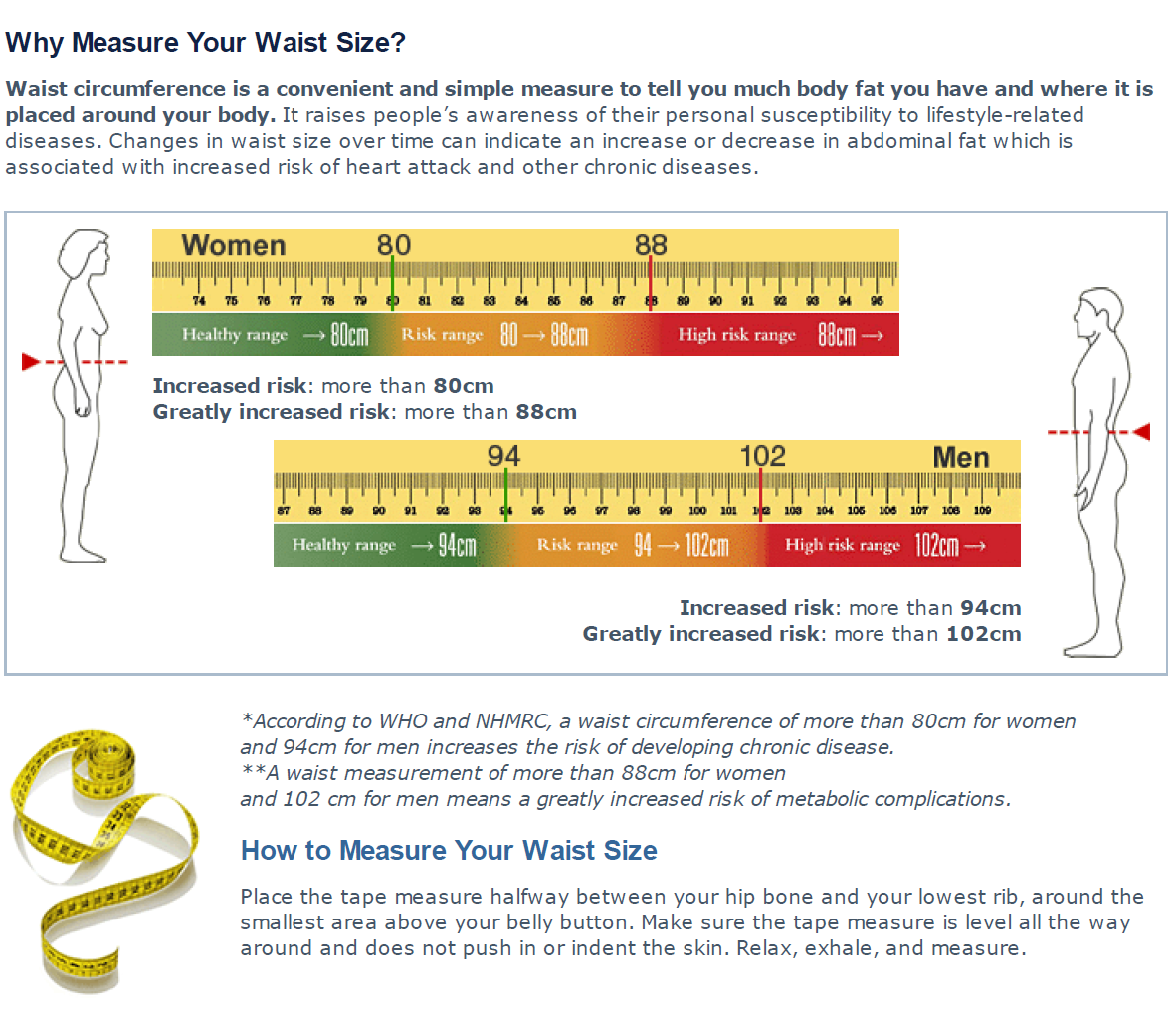
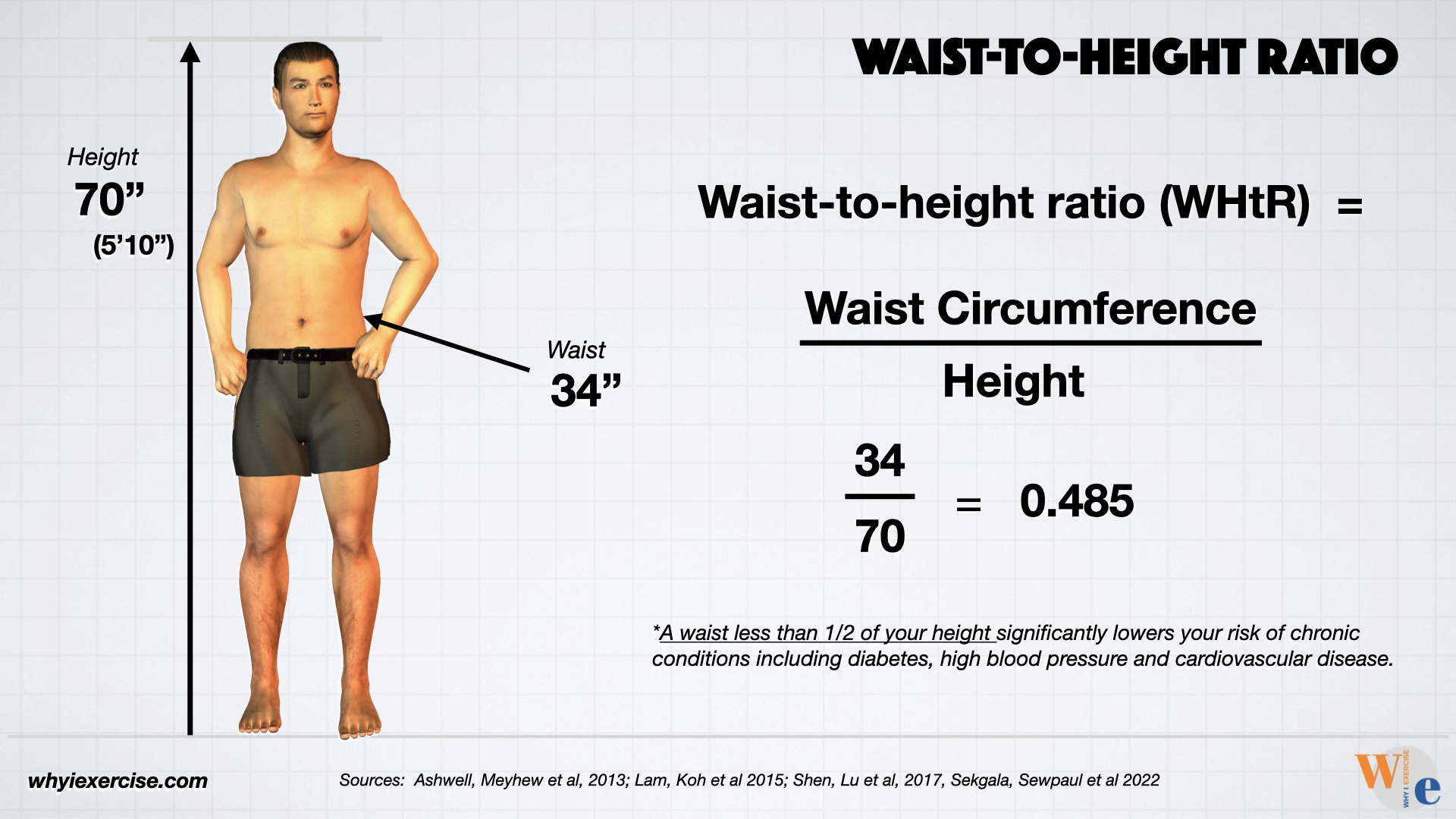
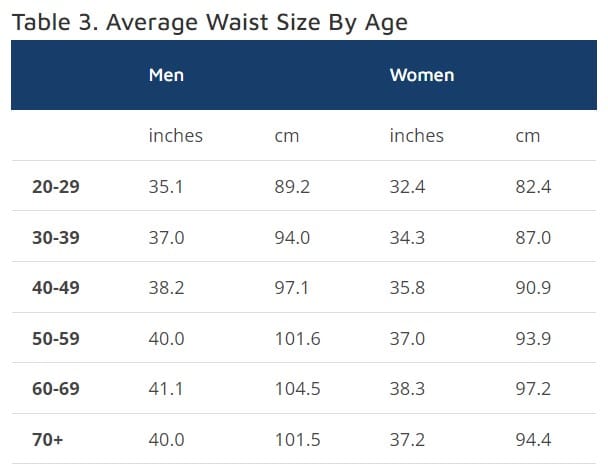
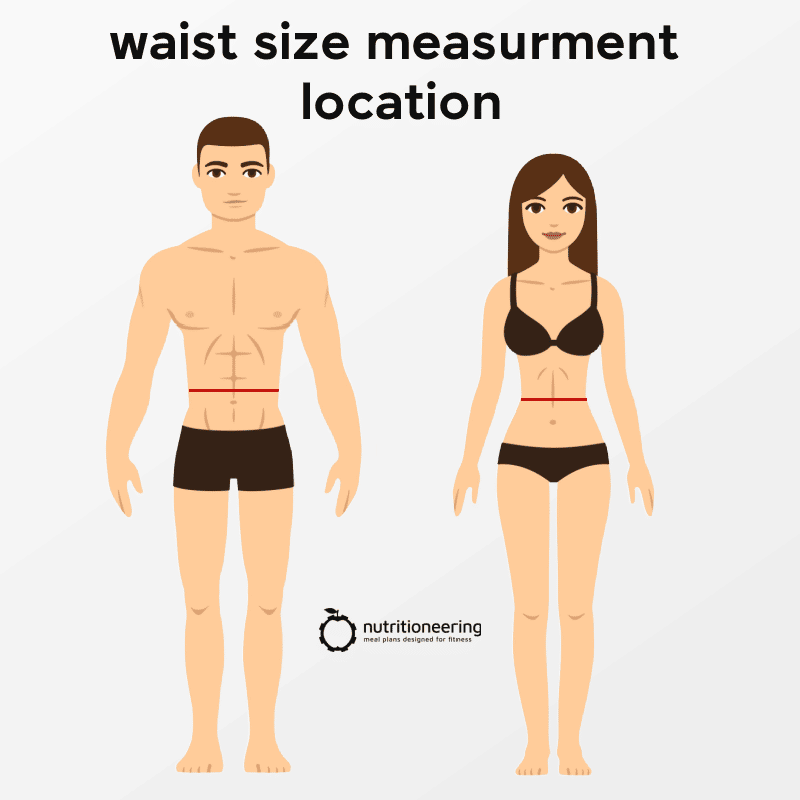
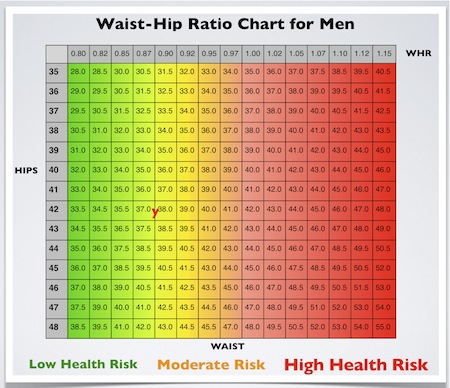
For men, a waist circumference of 40 inches (102 cm) or less is generally considered healthy. Exceeding this measurement, even if your Body Mass Index (BMI) falls within the "normal" range, signals an increased risk of health complications. This is primarily due to visceral fat, the stubborn fat that accumulates deep within the abdominal cavity, surrounding your vital organs.
The Dangers of Excess Abdominal Fat (Visceral Fat)
Visceral fat is a silent threat. Unlike subcutaneous fat (the pinchable fat just under your skin), visceral fat is metabolically active, releasing inflammatory compounds and hormones that can wreak havoc on your body. A large waistline is a strong indicator of high visceral fat levels, which significantly elevates your risk of:
- Heart Disease: Excess abdominal fat is a major contributor to high blood pressure, unhealthy cholesterol levels (high LDL, low HDL), and increased inflammation, all of which are precursors to heart attacks and strokes.
- Type 2 Diabetes: Visceral fat can lead to insulin resistance, a condition where your body’s cells don’t respond effectively to insulin, leading to elevated blood sugar levels and eventually Type 2 diabetes.
- Metabolic Syndrome: This is a cluster of conditions – including high blood pressure, high blood sugar, unhealthy cholesterol levels, and excess abdominal fat – that significantly increases the risk of heart disease, stroke, and diabetes.
- Certain Cancers: Research suggests a link between increased abdominal fat and a higher risk of certain cancers, including colorectal and prostate cancer.
- Sleep Apnea: Excess weight around the abdomen can contribute to obstructive sleep apnea, a condition characterized by pauses in breathing during sleep.
- Liver Disease: Non-alcoholic fatty liver disease (NAFLD) is increasingly common and is strongly associated with obesity, particularly abdominal obesity.
The Positive Impact of a Healthy Waist for Men
Conversely, maintaining a healthy waist for men offers a wealth of positive outcomes:
- Enhanced Energy Levels: When your body functions optimally, you’ll experience a noticeable boost in energy and vitality.
- Improved Mood and Mental Clarity: Physical health is intrinsically linked to mental well-being. A healthier body can lead to reduced stress, anxiety, and improved cognitive function.
- Greater Confidence and Self-Esteem: Feeling good in your body naturally translates to increased confidence in all aspects of your life.
- Reduced Risk of Chronic Diseases: As mentioned, a trim waistline is your first line of defense against numerous serious health conditions.
- Better Sleep Quality: Maintaining a healthy weight can alleviate issues like sleep apnea, leading to more restful and rejuvenating sleep.
- Increased Longevity: By mitigating health risks, you’re investing in a longer, healthier, and more fulfilling life.
Actionable Strategies for Achieving a Healthy Waist for Men
Now that we understand the profound importance of a healthy waist for men, let’s explore practical and sustainable strategies to achieve it. This is where the real transformation begins!
Fueling Your Body for Success: Nutrition and Diet
What you eat plays a paramount role in managing abdominal fat. It’s not about restrictive dieting, but about making smart, nourishing choices.
The Power of Whole Foods
Prioritize unprocessed, whole foods. These are packed with essential nutrients, fiber, and antioxidants that support overall health and aid in weight management.
- Lean Proteins: Include sources like chicken breast, turkey, fish, beans, lentils, and tofu. Protein helps you feel full longer, reducing overall calorie intake.
- Fruits and Vegetables: Aim for a vibrant array of colors. They are low in calories, high in fiber, vitamins, and minerals.
- Whole Grains: Opt for brown rice, quinoa, oats, and whole wheat bread. These provide sustained energy and fiber, crucial for digestive health and satiety.
- Healthy Fats: Incorporate sources like avocados, nuts, seeds, and olive oil. These are essential for hormone production and can help you feel satisfied.
What to Limit or Avoid
Certain foods can contribute to increased abdominal fat and negatively impact your health.
- Sugary Drinks: Sodas, fruit juices with added sugar, and sweetened coffees are major culprits for empty calories and can lead to fat accumulation.
- Processed Foods: Packaged snacks, fast food, and refined carbohydrates are often high in unhealthy fats, sugar, and sodium, contributing to inflammation and weight gain.
- Excessive Alcohol: Alcohol is calorie-dense and can interfere with your body’s ability to burn fat. It also often leads to poor food choices.
- Trans Fats: Found in some processed and fried foods, trans fats are particularly detrimental to heart health and can promote abdominal fat.
Portion Control and Mindful Eating
Even healthy foods can lead to weight gain if consumed in excess. Practice portion control and cultivate mindful eating habits. Pay attention to your hunger and fullness cues, savor your meals, and avoid distractions while eating.
Moving Your Body for a Trim Waistline: Exercise and Physical Activity
Regular physical activity is non-negotiable when it comes to achieving and maintaining a healthy waist for men. A combination of cardiovascular exercise and strength training is the most effective approach.
Cardiovascular Exercise: Burning Fat and Boosting Metabolism
Cardio is your ally in burning calories and reducing overall body fat, including visceral fat.
- Aerobic Activities: Aim for at least 150 minutes of moderate-intensity aerobic activity or 75 minutes of vigorous-intensity aerobic activity per week. Examples include brisk walking, jogging, cycling, swimming, and dancing.
- High-Intensity Interval Training (HIIT): This popular training method involves short bursts of intense exercise followed by brief recovery periods. HIIT can be incredibly effective for burning calories and improving cardiovascular fitness in a shorter amount of time.
Strength Training: Building Muscle and Accelerating Fat Loss
Muscle tissue is metabolically active, meaning it burns more calories at rest than fat tissue. Building lean muscle mass is key to boosting your metabolism and making it easier to achieve a healthy waist for men.
- Compound Exercises: Focus on exercises that work multiple muscle groups simultaneously, such as squats, deadlifts, push-ups, and overhead presses. These are highly efficient for building strength and muscle.
- Progressive Overload: To continue seeing results, gradually increase the weight, repetitions, or sets over time.
- Consistency is Key: Aim for at least two to three strength training sessions per week, allowing for rest days in between.
Incorporating Movement into Your Daily Life
Beyond structured workouts, find ways to be more active throughout your day.
- Take the Stairs: Whenever possible, choose stairs over elevators.
- Walk or Cycle: For short commutes or errands, opt for walking or cycling.
- Stand Up Regularly: If you have a desk job, set reminders to stand up and move around every 30-60 minutes.
- Active Hobbies: Engage in activities you enjoy, such as gardening, playing sports, or hiking.
The Crucial Role of Sleep and Stress Management
Often overlooked, adequate sleep and effective stress management are vital components of a healthy waist for men.
Prioritizing Quality Sleep
Lack of sleep can disrupt your hormones, leading to increased cravings for unhealthy foods and a tendency to store fat.
- Aim for 7-9 Hours: Most adults need between 7 and 9 hours of quality sleep per night.
- Establish a Routine: Go to bed and wake up around the same time each day, even on weekends, to regulate your body’s natural sleep-wake cycle.
- Create a Relaxing Environment: Ensure your bedroom is dark, quiet, and cool. Limit screen time before bed.
Mastering Stress Reduction Techniques
Chronic stress can lead to elevated cortisol levels, a hormone that promotes abdominal fat storage.
- Mindfulness and Meditation: Practicing mindfulness or meditation can help calm your nervous system and reduce stress.
- Yoga and Deep Breathing: These practices are excellent for promoting relaxation and reducing tension.
- Spending Time in Nature: Being outdoors has a proven positive impact on stress levels.
- Hobbies and Social Connection: Engaging in activities you enjoy and maintaining strong social connections can significantly reduce stress.
Hydration: The Unsung Hero of a Healthy Waist
Water is essential for countless bodily functions, including metabolism and fat breakdown. Staying adequately hydrated can support your efforts to achieve a healthy waist for men.
- Drink Plenty of Water: Aim for at least eight glasses of water per day, and more if you’re physically active or in a hot climate.
- Carry a Water Bottle: Having water readily available can encourage you to drink more throughout the day.
- Water as a Pre-Meal Drink: Drinking a glass of water before meals can help you feel fuller, potentially leading to reduced food intake.
Overcoming Common Obstacles on the Path to a Healthy Waist
The journey to a healthy waist for men isn’t always linear. You might encounter challenges along the way. Here’s how to navigate them:
Battling Cravings and Emotional Eating
Cravings can be powerful, and emotional eating is a common pitfall.
- Identify Triggers: Understand what situations or emotions lead to cravings or emotional eating.
- Healthy Alternatives: Keep healthy snacks on hand, such as fruits, vegetables, or nuts, to satisfy cravings in a healthier way.
- Develop Coping Mechanisms: Find non-food-related ways to manage stress and emotions, such as exercise, talking to a friend, or journaling.
The Plateau Effect
It’s common to hit a plateau where weight loss slows down or stops.
- Re-evaluate Your Diet and Exercise: Are you consistently sticking to your plan? Could you increase the intensity or duration of your workouts?
- Introduce Variety: Change up your exercise routine to challenge your body in new ways.
- Be Patient: Plateaus are often temporary. Stay consistent, and you’ll likely break through them.
Social Pressures and Eating Out
Navigating social situations and dining out can be challenging.
- Plan Ahead: Look at restaurant menus online and choose healthier options in advance.
- Portion Control: Ask for a to-go box at the beginning of your meal and pack away half of your food.
- Make Smart Choices: Opt for grilled, baked, or steamed dishes over fried options. Be mindful of creamy sauces and dressings.
- Communicate Your Needs: Don’t be afraid to politely request modifications to your meal.
The Long-Term Vision: Sustaining a Healthy Waist for Life
Achieving a healthy waist for men is a journey, not a destination. The key to lasting success lies in building sustainable lifestyle habits.
Consistency Over Perfection
Don’t strive for perfection; aim for consistency. It’s okay to have occasional slip-ups. The important thing is to get back on track as soon as possible.
Listen to Your Body
Pay attention to how different foods and activities make you feel. Your body will often tell you what works best for it.
Seek Support
Don’t hesitate to reach out for support from friends, family, or a healthcare professional. A coach or nutritionist can provide personalized guidance and accountability.
Celebrate Your Progress
Acknowledge and celebrate your achievements along the way, no matter how small. This positive reinforcement will help you stay motivated.
Frequently Asked Questions About a Healthy Waist for Men
Q1: How often should I measure my waist circumference?
A1: Measuring your waist circumference once a month is a good practice to monitor your progress and identify any significant changes.
Q2: Can I achieve a healthy waist for men solely through diet?
A2: While diet is crucial, a combination of diet and regular exercise is the most effective approach for achieving and maintaining a healthy waistline.
Q3: Is it possible to target fat loss specifically from the waist?
A3: Spot reduction, or targeting fat loss from a specific area, is largely a myth. However, by reducing overall body fat through diet and exercise, you will naturally lose fat from your midsection.
Q4: How much weight do I need to lose to achieve a healthy waist circumference?
A4: The amount of weight you need to lose will vary depending on your starting point. Focus on gradual, sustainable weight loss of 1-2 pounds per week, which is generally achieved by creating a calorie deficit of 500-1000 calories per day.
Q5: Should I consult a doctor before starting a new Casual piece sets for women effortless style delivered diet or exercise program?
A5: It is always recommended to consult with your doctor before making significant changes to your diet or exercise routine, especially if you have any underlying health conditions.
Embrace Your Journey to a Healthier You!
Embarking on the path to a healthy waist for men is a profound investment in your present and future well-being. By understanding the critical role of abdominal health and implementing these actionable strategies, you are empowering yourself to live a more vibrant, confident, and fulfilling life. Remember, this is a journey of self-discovery and empowerment. Embrace the process, be patient with yourself, and celebrate every step forward. Share your own tips and successes in the comments below – let’s inspire each other to achieve our best health!