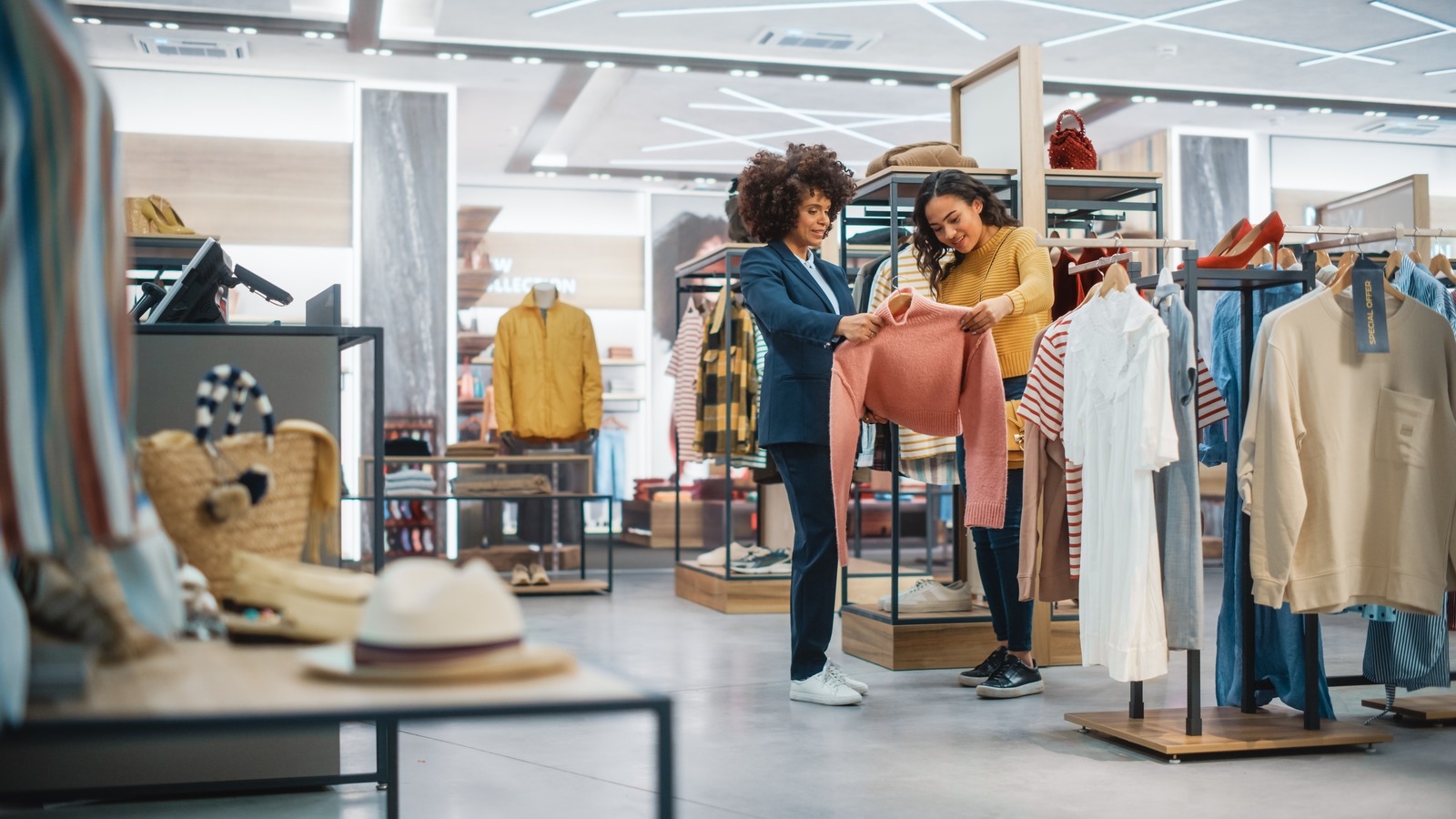
The world of clothes for men’s fashion is a vibrant tapestry, offering an incredible opportunity to express your personality, boost your confidence, and navigate life’s occasions with effortless panache. Far from being a mere necessity, what you wear is a powerful form of communication, a silent yet eloquent statement about who you are and how you want to be perceived. This guide delves deep into the essential elements of modern men’s fashion, arming you with the knowledge to curate a wardrobe that’s both stylish and supremely functional, making dressing well an absolute joy.
The Foundational Pillars: Building a Versatile Wardrobe
Before diving into trends, it’s crucial to establish a solid foundation. A well-rounded wardrobe isn’t about having a closet overflowing with items; it’s about possessing a collection of versatile pieces that can be mixed and matched to create numerous outfits for diverse situations. Think of these as your sartorial building blocks.
Essential Tops: The Backbone of Every Outfit
- The Classic White T-Shirt: This isn’t just a t-shirt; it’s a blank canvas. A well-fitting, high-quality white tee is indispensable. Opt for premium cotton for a softer feel and better drape. It’s perfect for layering under a blazer, over a button-down, or worn solo with jeans.
- Versatile Button-Down Shirts: From crisp Oxford shirts in light blue or white to more relaxed chambray or linen options, button-downs are incredibly adaptable. A classic fit is key, ensuring it’s neither too tight nor too baggy. Consider having a few in solid colors and perhaps a subtle stripe or check pattern.
- The Timeless Polo Shirt: A step up from a t-shirt, the polo offers a smart-casual vibe. Choose breathable fabrics like pique cotton. They’re excellent for warmer weather and can be dressed up with chinos or down with shorts.
- The Essential Sweater: A crewneck or V-neck sweater in a neutral color like grey, navy, or charcoal is a cold-weather champion. Merino wool or cashmere offers superior warmth and a luxurious feel. A cable-knit or textured sweater can add visual interest.
Key Bottoms: The Perfect Pair for Every Occasion
- Well-Fitting Jeans: Denim is a cornerstone of modern menswear. Invest in a pair of dark wash, straight-leg or slim-fit jeans. Avoid overly distressed or overly trendy styles initially. A versatile pair can be worn casually with sneakers or dressed up with loafers.
- Chinos: The Smart Casual Staple: Chinos bridge the gap between jeans and trousers. Khaki, navy, and olive are classic choices. Look for a tailored fit that sits comfortably on the waist and tapers slightly towards the ankle. They’re ideal for business casual settings or weekend outings.
- Tailored Trousers: For more formal occasions or when you want to elevate your look, a pair of well-tailored wool trousers is essential. Charcoal grey, navy, and black are your go-to colors. Ensure they are hemmed correctly for your preferred footwear.
Outerwear: The Finishing Touch That Matters
- The Versatile Blazer/Sport Coat: A good blazer can instantly elevate any outfit. A navy or charcoal wool blazer is a workhorse, suitable for both business casual and evening events. A tweed or patterned sport coat adds personality for more relaxed settings.
- The Classic Jacket: A denim jacket, a bomber jacket, or a stylish Harrington jacket can add a cool, casual edge to your ensemble. Consider the material and fit to ensure it complements your overall style.
- The Essential Overcoat: For colder months, a well-cut wool overcoat in camel, navy, or grey is a timeless investment. It provides warmth and adds a sophisticated layer to any outfit.
Understanding Fit: The Unsung Hero of Men’s Fashion
The single most important factor in making clothes for men’s fashion look good is fit. A garment that fits perfectly, regardless of its price tag, will always appear more stylish than an expensive item that hangs awkwardly.
The Golden Rules of Fit:
- Shoulder Seams: The seam where the sleeve meets the shoulder should sit precisely on the edge of your shoulder bone.
- Collar Fit: A shirt collar should comfortably accommodate two fingers between your neck and the collar.
- Sleeve Length: For shirts, the sleeve should end at your wrist bone, showing about a quarter to half an inch of shirt cuff beneath a jacket sleeve. For jackets, the sleeve should end at the wrist bone, allowing the shirt cuff to peek out.
- Trouser Break: The hem of your trousers should have a slight “break” on your shoes. This means the fabric gently creases on top of your shoe. For a cleaner, more modern look, opt for a “no-break” or “slight-break” hem.
- Waist Fit: Trousers should sit comfortably at your natural waist without requiring a belt to stay up.
Pro Tip: Don’t be afraid to seek out a tailor. A few minor alterations can transform an average-fitting garment into something that looks custom-made. This is where true style investment lies.
Color and Pattern: Adding Personality to Your Wardrobe
While neutrals form the backbone, understanding how to incorporate color and pattern can inject personality and flair into your clothes for men’s fashion.
Navigating the Color Spectrum:
- Neutrals First: Master the art of wearing neutrals like navy, grey, charcoal, black, white, beige, and olive. They are incredibly versatile and form the foundation of most stylish wardrobes.
- Introducing Color: Once you’re comfortable with neutrals, start adding pops of color. Think muted tones like burgundy, forest green, or deep blues. These are easier to incorporate and less overwhelming.
- Seasonal Palettes: Consider seasonal color trends. Lighter, brighter colors often suit spring and summer, while richer, deeper hues are perfect for autumn and winter.
- Complementary Colors: Learn basic color theory. Colors opposite each other on the color wheel (like blue and orange) create a vibrant contrast, while analogous colors (like blue and green) create a more harmonious feel.
Mastering Patterns:
- Start Subtle: Begin with understated patterns like fine stripes on shirts, subtle checks on blazers, or a classic paisley pocket square.
- Scale Matters: Consider the scale of the pattern in relation to your body size and the other items you’re wearing. A large, bold pattern might overwhelm a smaller frame.
- Pattern Mixing: When you’re feeling adventurous, try mixing patterns. The key is to have one dominant pattern and a secondary, less prominent one. Ensure they have at least one color in common to tie them together. For example, a striped shirt with a subtly patterned tie.
Footwear: The Foundation of Your Look
Shoes are often overlooked, but they play a critical role in completing any outfit. The right footwear can elevate a casual look or ground a formal ensemble.
Essential Shoe Styles:
- The Versatile Sneaker: A clean, minimalist white leather sneaker is a modern essential. Black or grey sneakers are also excellent choices. They pair effortlessly with jeans, chinos, and even some casual suits.
- The Classic Loafer: Penny loafers or bit loafers in brown or black leather are perfect for smart-casual occasions and can be worn with chinos, tailored trousers, and even some suit styles.
- The Timeless Oxford/Derby: For more formal settings, a well-polished pair of black or brown leather Oxfords or Derbies is non-negotiable. Ensure they are well-maintained.
- The Rugged Boot: Chelsea boots or chukka boots in suede or leather offer a stylish option for cooler weather and can be dressed up or down.
Maintenance is Key: Keep your shoes clean and polished. Well-maintained footwear speaks volumes about your attention to detail.
Accessories: The Details That Define You
Accessories are the punctuation marks of your style. They add personality, refine your Absolutely heres a detailed seo optimized article about mens training trousers in the uk crafted with a warm festive and informative tone look, and demonstrate a keen eye for detail.
Key Accessories to Consider:
- The Watch: A classic wristwatch is a sophisticated statement piece. Whether it’s a minimalist dress watch or a robust sports watch, choose one that reflects your personal style.
- Belts: Invest in a good quality leather belt in black and brown to match your shoes. A simple, unadorned belt is the most versatile.
- Socks: Don’t underestimate the power of socks. While plain black or navy socks are safe for formal wear, patterned or brightly colored socks can add a playful touch to casual outfits.
- Pocket Squares: A pocket square can add a pop of color or texture to a blazer or suit. Experiment with different folds and fabrics.
- Scarves: A well-chosen scarf can add warmth and style during cooler months. Wool or cashmere are excellent choices.
Dressing for Different Occasions: Mastering the Nuances
The beauty of clothes for men’s fashion lies in its adaptability. Knowing what to wear for various events is key to feeling confident and appropriately dressed.
Casual Friday & Weekend Wear: Comfort Meets Style
This is where you can relax a bit, but style still matters. Think well-fitting jeans or chinos, quality t-shirts or polos, comfortable sweaters, and stylish sneakers or boots. A bomber jacket or a casual shirt adds personality. The focus is on relaxed silhouettes and comfortable fabrics.
Business Casual: Polished Yet Approachable
The aim here is to look professional without being overly formal. This typically involves chinos or tailored trousers, a button-down shirt (tucked in), a smart sweater or a casual blazer, and loafers or clean sneakers. Ties are usually optional.
Smart Casual: Effortlessly Elevated
This is a slightly more refined version of casual. It might involve pairing tailored trousers with a well-fitting knit sweater and loafers, or dark wash jeans with a crisp button-down shirt and a sport coat. The key is a more put-together aesthetic.
Formal Occasions: Timeless Elegance
For weddings, galas, or important business events, a well-tailored suit is paramount. A navy or charcoal wool suit is a versatile choice. Pair it with a crisp white dress shirt, a silk tie, and polished dress shoes (Oxfords or Derbies). Ensure your suit fits impeccably.
The Modern Man’s Wardrobe: Embracing Trends Responsibly
While trends come and go, a discerning approach to incorporating them into your clothes for men’s fashion can keep your style fresh and relevant.
- Focus on Timeless Pieces: Invest in classic items that will endure beyond fleeting trends.
- Experiment with Textures: Incorporate different textures like corduroy, suede, linen, and wool to add depth to your outfits.
- Consider Sustainable Fashion: Many brands are now offering stylish and eco-friendly clothing options. Choosing sustainable pieces is a responsible and increasingly fashionable choice.
- Personalization is Key: Ultimately, the best clothes for men’s fashion are those that make you feel confident and comfortable. Don’t be afraid to adapt trends to suit your individual style and personality.
Conclusion: Your Style Journey Begins Now
Mastering clothes for men’s fashion is an ongoing journey, not a destination. It’s about understanding the fundamentals, experimenting with what works for you, and continually refining your personal style. By focusing on fit, versatility, and thoughtful accessorizing, you can build a wardrobe that not only looks fantastic but also empowers you to face every day with confidence. So, embrace the process, have fun with your choices, and let your style speak volumes about the incredible man you are.
Frequently Asked Questions (FAQ)
Q1: What are the most important pieces for a man’s wardrobe?
A1: Essential pieces include well-fitting jeans, chinos, classic white t-shirts, versatile button-down shirts, a good quality sweater, a blazer or sport coat, and a pair of versatile dress shoes and casual sneakers.
Q2: How important is fit in men’s fashion?
A2: Fit is paramount. Clothes that fit well will always look better and more stylish, regardless of brand or price.
Q3: What colors should men start with in their wardrobe?
A3: Begin with neutrals like navy, grey, charcoal, black, white, and beige. These are highly versatile and form the foundation of most outfits.
Q4: How can I make my casual outfits look more stylish?
A4: Focus on quality fabrics, a good fit, and thoughtful layering. Add accessories like a stylish watch or a well-chosen belt to elevate your look.
Q5: Is it worth investing in tailored clothing?
A5: Absolutely. Tailoring can transform even off-the-rack items, ensuring a perfect fit and a much more polished appearance. It’s a worthwhile investment in your overall style.