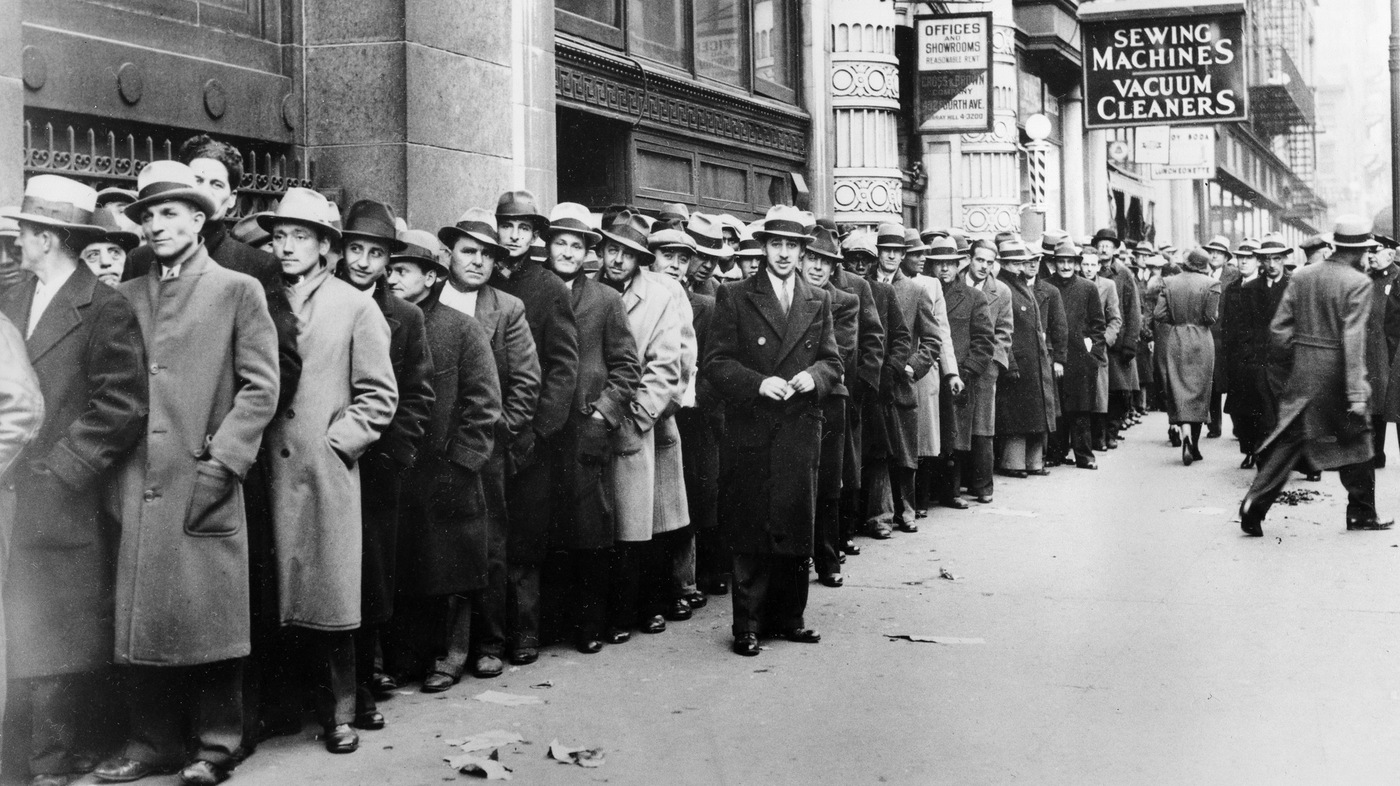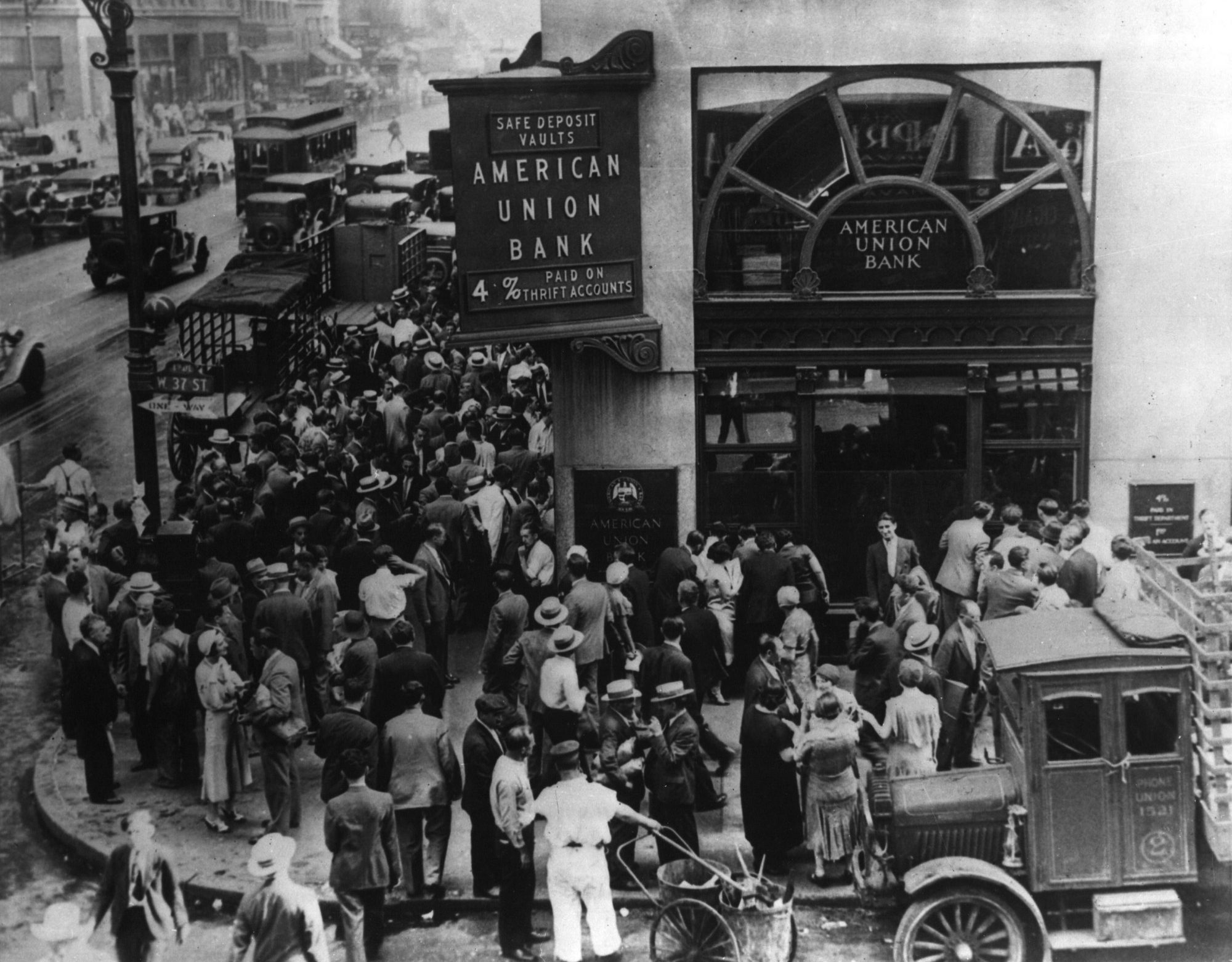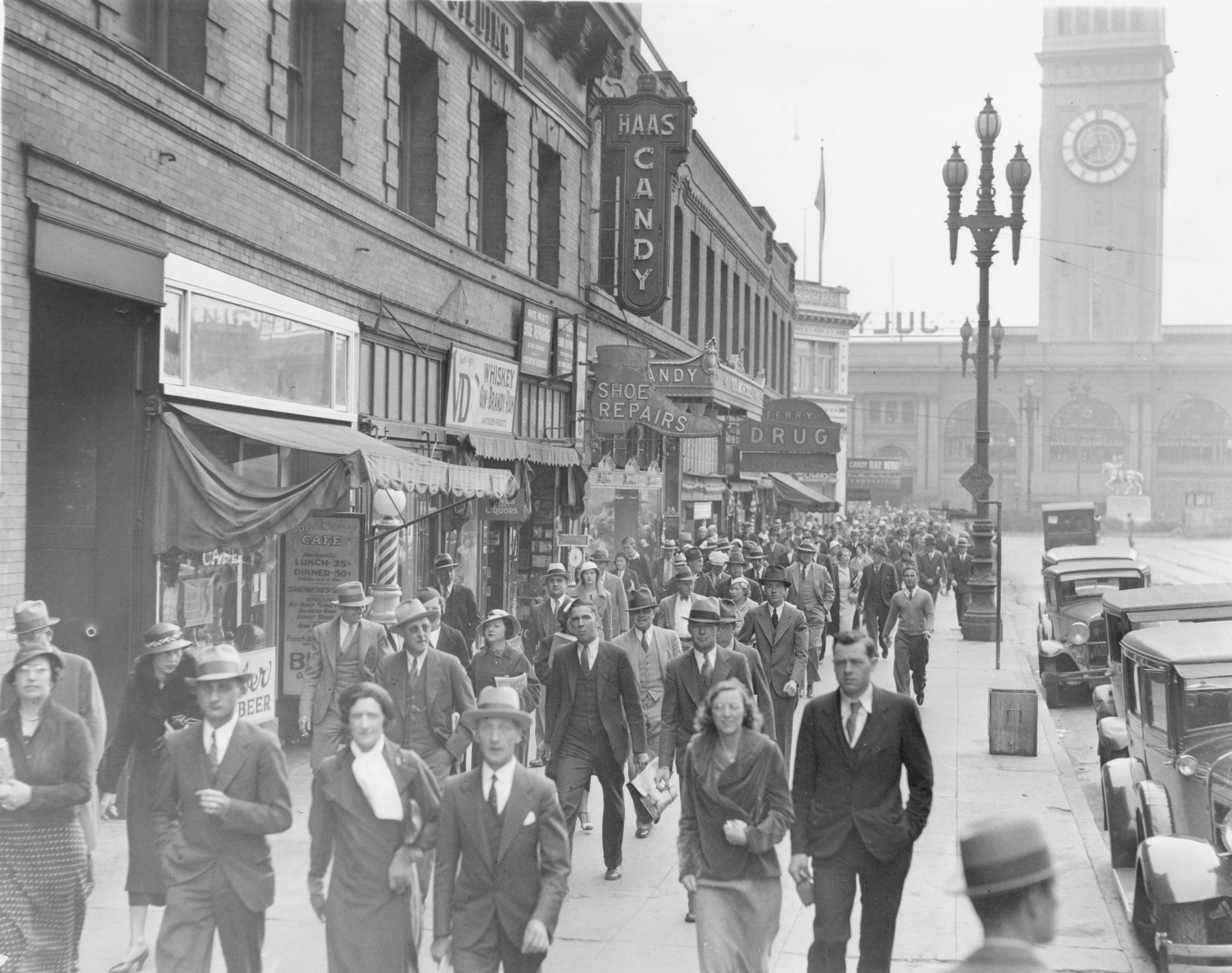
The 1930s, a decade etched in history by both the Great Depression and the glamour of Hollywood, presented a fascinating duality in men’s fashion. Far from succumbing to drabness, 1930s fashion trends men embraced a remarkable blend of practicality and sophisticated elegance. It was an era where resilience met aspiration, and the modern gentleman curated a wardrobe that exuded confidence and a quiet, yet powerful, sense of style. Let’s dive into the captivating world of 1930s fashion trends men and discover the enduring appeal of this iconic period.
The Shadow of the Depression and the Rise of the "New Deal" Silhouette
The economic downturn of the early 1930s undeniably cast a long shadow. However, rather than leading to outright austerity in menswear, it fostered a move towards more streamlined and less ostentatious styles. The flamboyant excess of the Roaring Twenties gave way to a more restrained, yet equally impactful, aesthetic. This shift wasn’t about deprivation; it was about smart dressing, making the most of what one had, and projecting an image of competence and stability.
The Foundation: The Suit as a Statement of Resilience
The cornerstone of 1930s fashion trends men was undoubtedly the suit. While the silhouette evolved, the suit remained the uniform for work, social occasions, and even leisure.
The Evolving Silhouette: Broad Shoulders and a Narrower Waist
A defining characteristic of 1930s fashion trends men was the emphasis on a strong, masculine frame. This was achieved through padded shoulders that created a broad, imposing silhouette. The jacket’s waist, however, was cinched, creating a flattering V-shape that hinted at a trim physique. This contrast between broad shoulders and a nipped-in waist was a deliberate design choice to project authority and a well-maintained appearance, even in challenging times.
Double-Breasted Dominance: A Symbol of Substance
The double-breasted suit experienced a significant surge in popularity during the 1930s. This style, with its overlapping front panels and multiple buttons, conveyed a sense of substance and formality. It was often seen as a more authoritative and "serious" option, making it a favored choice for businessmen and those in positions of influence. The strategic layering and extra fabric also offered a degree of warmth, a practical consideration in many parts of the world during this period.
Single-Breasted Simplicity: Versatility for the Everyday Man
While double-breasted suits exuded formality, the single-breasted suit remained a versatile and popular choice. Often featuring three buttons, it offered a slightly more relaxed feel, suitable for a wider range of occasions. The lapels, whether notch or peak, were typically wider than in previous decades, adding to the overall sense of presence.
The Rise of the "Zoot Suit" – An Exception to the Rule
It’s impossible to discuss 1930s fashion trends men without acknowledging the emergence of the Zoot suit, particularly within certain subcultures. Characterized by its exaggerated wide lapels, padded shoulders, high-waisted, pegged trousers, and often a long, flowing overcoat, the Zoot suit was a bold and rebellious statement. While not representative of mainstream fashion, it showcased a desire for individuality and a departure from conventional norms, especially among young men and minority groups.
Trousers: The Foundation of the Ensemble
The trousers of the 1930s were integral to the overall silhouette and contributed significantly to the polished look.
High Waists and Pleats: Comfort Meets Style
High-waisted trousers were the norm, sitting comfortably at the natural waistline. This was often complemented by pleats, which provided extra fabric and ease of movement, while also contributing to the garment’s drape and structure. The pleats helped the trousers fall smoothly and avoid clinging, maintaining a clean and elegant line.
Fullness and Tapering: The Art of the Drape
Trousers in the 1930s were generally fuller in the thigh and then tapered towards the ankle. This "baggy" look, when properly tailored, created a sophisticated drape that was both comfortable and stylish. The slight break at the shoe was crucial, ensuring the trousers fell perfectly without bunching.
Shirts and Ties: The Details that Defined Distinction
The shirt and tie combination offered opportunities for subtle expression and added layers of refinement to 1930s fashion trends men.
The Classic White Shirt: A Canvas of Elegance
The crisp white dress shirt remained a staple. However, subtle variations in collar styles, such as the spread collar and the club collar, offered distinct looks. The material was typically fine cotton, ensuring a smooth and polished appearance.
The Versatile Necktie: A Pop of Personality
The necktie was a key accessory, providing a canvas for color and pattern. While muted tones were common for business attire, bolder patterns and brighter colors began to appear, adding a touch of personality. Silk ties were highly prized, and patterns ranged from subtle stripes and checks to more intricate geometric designs. The knot itself, often a Four-in-Hand or a Windsor, was meticulously tied.
Outerwear: Protection with Panache
Outerwear in the 1930s was not merely functional; it was an extension of the overall stylish ensemble.
The Overcoat: The Gentleman’s Shield
The overcoat was a quintessential element of the 1930s gentleman’s wardrobe. Long and substantial, often reaching the knee or mid-calf, these coats were designed for warmth and to maintain the sharpness of the suit beneath. Fabrics like wool and tweed were common, and styles ranged from single-breasted classic cuts to more dramatic double-breasted versions.
The Trench Coat: Enduring Utility and Style
The trench coat, with its military origins, gained widespread popularity in the 1930s. Its practical features, such as epaulets, storm flaps, and belted waist, were combined with a timeless aesthetic, making it a favored choice for both everyday wear and more formal occasions.
Headwear: The Crown Jewel of the Ensemble
No gentleman’s outfit was complete without appropriate headwear, a crucial element of 1930s fashion trends men.
The Fedora: The Epitome of Cool
The fedora was the undisputed king of men’s hats in the 1930s. Its soft brim, indented crown, and grosgrain ribbon band offered a versatile and effortlessly stylish look. Available in various colors, from classic grey and brown to navy and black, the fedora was worn by men from all walks of life.
The Homburg: For Formal Finesse
For more formal occasions, the Homburg hat, with its single dent down the crown and a curled brim, provided a more sophisticated alternative to the fedora. It exuded an air of gravitas and refinement.
The Flat Cap: Casual Comfort and Practicality
For more casual settings, the flat cap, often made of tweed or wool, offered a comfortable and practical option. It was particularly popular among working-class men and for sporting activities.
Footwear: Grounding the Look with Polish
The shoes worn in the 1930s were as important as any other element, contributing to the overall polished appearance.
Oxfords and Brogues: Timeless Classics
Oxfords, with their closed lacing system, were the quintessential formal shoe. Brogues, characterized by their decorative perforations, offered a slightly less formal yet equally stylish option, perfect for everyday wear and business.
Two-Tone Shoes: A Touch of Daring
A more daring trend that emerged was the two-tone shoe, often a spectator style with contrasting panels of leather. These shoes added a playful and fashionable flourish to an outfit, particularly popular in warmer climates and for leisure activities.
Beyond the Suit: Casual and Sportswear
While the suit dominated formal and professional attire, 1930s fashion trends men also saw the evolution of more relaxed and sportswear options.
Leisurewear: Embracing Comfort and Function
As leisure time became more defined, so did the clothing associated with it.
Knitwear: Versatile and Stylish
Knitted sweaters, cardigans, and vests became increasingly popular for casual wear. V-neck and crew-neck styles were common, often in wool or cotton. These offered warmth and comfort without sacrificing style.
Sporting Attire: Function Meets Fashion
For activities like golf, tennis, and sailing, specialized sportswear emerged. Polo shirts, knitted pullovers, and tailored shorts became standard. The emphasis was on comfortable, yet presentable, clothing that allowed for ease of movement.
The Influence of Hollywood: Silver Screen Style
Hollywood played an undeniable role in shaping 1930s fashion trends men. The silver screen presented aspirational figures who embodied glamour and sophistication, influencing how men dressed. Leading men like Clark Gable, Cary Grant, and Fred Astaire became style icons, their on-screen wardrobes inspiring a generation. The suave elegance of these actors, their perfectly tailored suits, and their confident demeanor were aspirational goals for many men.
Enduring Legacy: Why 1930s Men’s Fashion Still Captivates
The enduring appeal of 1930s fashion trends men lies in its timeless qualities. The emphasis on quality tailoring, the clean lines, and the subtle sophistication offer a stark contrast to some of the more ephemeral trends of today. It’s a style that speaks of substance, confidence, and an appreciation for craftsmanship. The era’s focus on making a good impression, even in the face of adversity, resonates with us today. It reminds us that style is not just about clothing, but about how we present ourselves to the world.
Frequently Asked Questions about 1930s Men’s Fashion
-
What was the most popular hat for men in the 1930s?
The fedora was by far the most popular hat, offering a versatile and stylish option for most occasions. -
What made 1930s suits different from today’s suits?
1930s suits featured broader, padded shoulders, a more pronounced V-shaped silhouette with a nipped-in waist, and often higher-waisted trousers with pleats. -
Were men’s trousers very wide in the 1930s?
Trousers were generally fuller in the thigh and tapered towards the ankle, creating a characteristic drape rather than being uniformly wide. -
What kind of fabrics were commonly used for men’s clothing in the 1930s?
Wool, tweed, and fine cotton were the most common fabrics, valued for their durability and quality. -
Did the Great Depression significantly impact men’s fashion?
Yes, the Depression led to Ladies sports trousers for sale unbeatable comfort style awaits a move towards more streamlined and practical styles, emphasizing quality and longevity over excessive ornamentation.
Join the Conversation!
The world of 1930s fashion trends men offers a rich tapestry of style and substance. Which elements of this era’s menswear do you find most captivating? Share your thoughts and any personal experiences with vintage fashion in the comments below! Let’s celebrate the enduring elegance of this remarkable decade together.